 image sourced from original article at
 Israel faces a critical juncture in its approach to Gaza following the success of the recent hostage release, orchestrated under President Trump's plan. While the United States has demonstrated its ability to secure significant concessions from Hamas, doubts remain about the prospects for the complete disarmament of terrorist organizations in the region. Senior figures in Hamas and Islamic Jihad have signaled their unwillingness to relinquish weapons without the establishment of a Palestinian state, raising concerns about the feasibility of lasting peace and security.
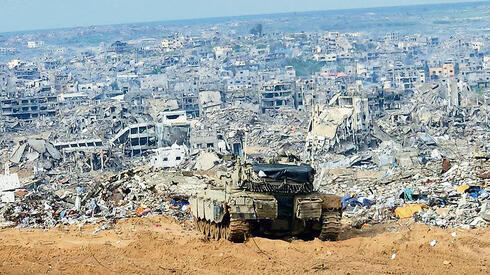
The article argues that Israel should give the United States president room to pursue his diplomatic strategy, but must also prepare for the possibility that Hamas will ultimately refuse to disarm. Coordination between Israel and the United States on a detailed timetable for disarmament and demilitarization is essential, as is a clear policy linking Gaza's reconstruction to progress on these security objectives. If diplomatic efforts fail, Israel must be ready to resume military operations to achieve its remaining war aims and ensure the safety of its citizens.
Ultimately, the responsibility for shaping the future of Gaza rests with Israel, which must balance patience with proactive planning. The outcome of the current diplomatic initiative will determine whether peace and stability can be achieved, or whether further conflict is inevitable.