 image sourced from original article at
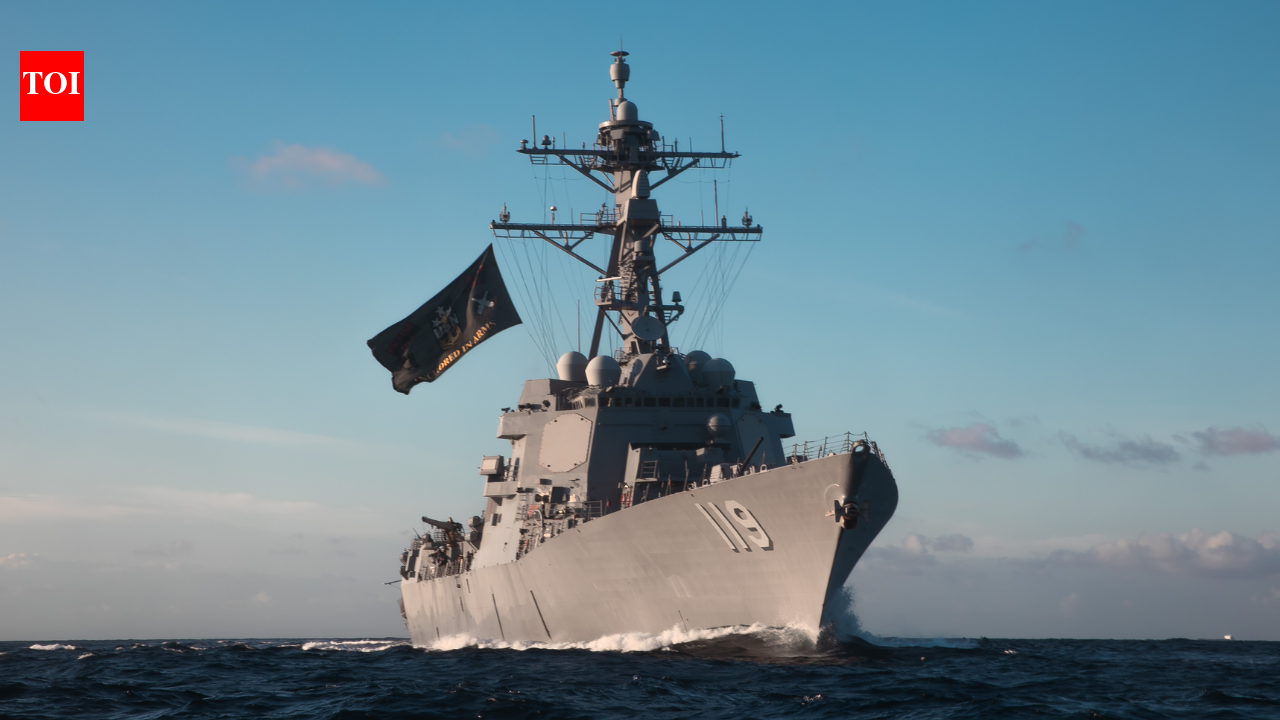
 The deployment of a US carrier strike group near Iranian waters has heightened tensions between Washington and Tehran, bringing the two countries closer to direct confrontation than in recent years. Iran is currently grappling with unprecedented domestic unrest, marked by violent crackdowns on protesters and deep divisions within society. This internal turmoil means that Iran's response to any US military action may depart from its previous pattern of measured, delayed retaliation, increasing the risk of rapid escalation both within Iran and across the region.
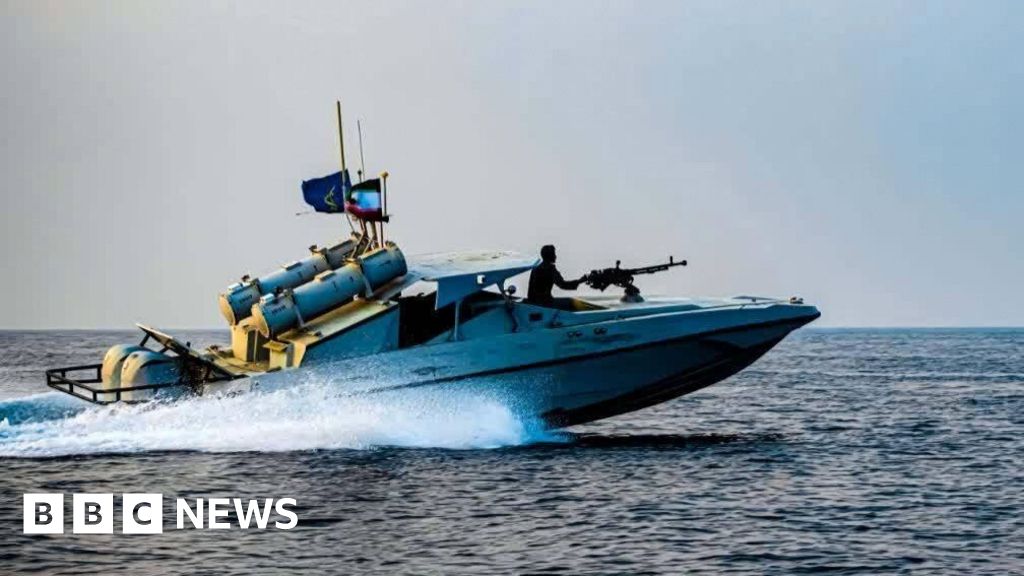
Recent history shows Iran has typically signaled its resolve through limited strikes, often with advance warning to avoid casualties and wider conflict. However, the current climate of instability and government insecurity could prompt a more immediate and unpredictable reaction to US attacks. Such a scenario threatens not only renewed repression of protesters but also the possibility of broader chaos if central authority collapses.
Both US and Iranian leaders face difficult choices, with each side wary of miscalculations that could trigger widespread violence. The situation remains volatile, with the potential for any misstep to have far-reaching consequences for millions in Iran and throughout the region.