 image sourced from original article at
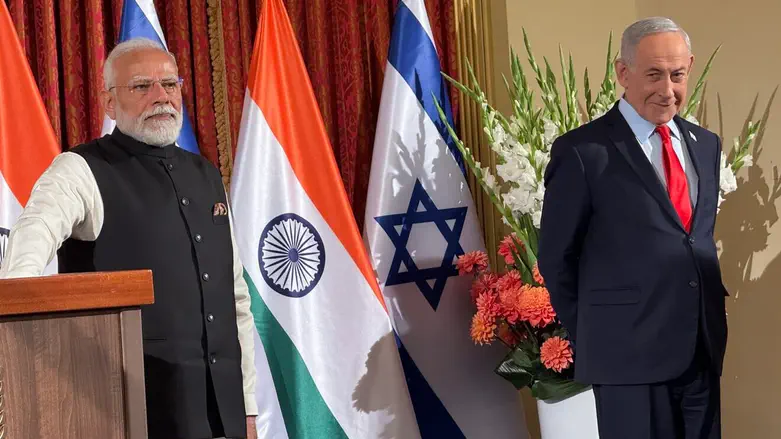
 Indian Prime Minister Narendra Modi’s historic address to Israel’s parliament underscores a deepening alliance between two ancient civilizations positioning themselves at the center of a shifting global order. Emphasizing shared democratic values, economic ambition and a common fight against terrorism, Modi and Israeli Prime Minister Benjamin Netanyahu framed the partnership as a strategic multiplier that strengthens both nations amid worldwide political and economic upheaval.
As global power balances shift due to war in Europe, rising Chinese influence and fluctuating American foreign policy, India’s rapid economic growth and Israel’s technological innovation create a natural partnership. Plans for a new trade corridor linking India through the Middle East to Europe aim to reshape global commerce, reduce reliance on traditional maritime chokepoints and revive ancient trade routes, contingent on greater regional stability.
Israel’s ongoing campaign against Iranian influence and its regional proxies, alongside expanding normalization agreements with Arab states, has altered Middle Eastern dynamics. Modi’s vocal support for Israel following the October 7 attacks and his condemnation of terrorism highlight a shared security outlook, particularly regarding radical Islamic extremism.
Beyond security cooperation, the alliance spans energy, technology, agriculture, water management and space research. With negotiations underway for a free trade agreement and the signing of multiple bilateral accords, both leaders signaled that the India-Israel partnership could become one of the most transformative alliances in the emerging world order.