 image sourced from original article at
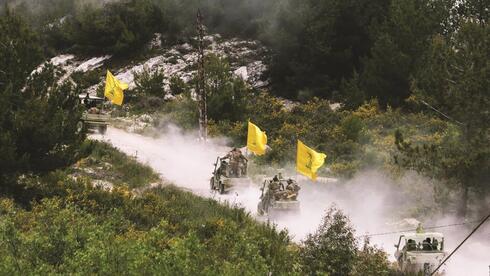
 Israel is facing mounting casualties along its northern border as Hezbollah increases attacks from southern Lebanon. The surge is largely attributed to Israel concentrating most of its intelligence and airpower on Iran, reducing its ability to monitor and strike Hezbollah positions effectively. Hezbollah fighters have returned to areas north of the Litani River and are deploying small anti-tank missile teams closer to Israeli forces, exploiting the proximity created by Israel’s forward defensive positions inside Lebanon.
Hezbollah is estimated to retain about 20 percent of its original military strength, including roughly 25,000 rockets and missiles, thousands of anti-tank weapons and a rebuilt elite Radwan force of about 5,000 fighters. These units operate in dispersed formations, using drones, observation posts and precision-guided missiles to target Israeli troop concentrations and logistical movements. Some fighters have infiltrated areas south of the Litani River, with the Lebanese army struggling to fully prevent covert movements.
Israel now faces the challenge of balancing operations against Iran with the need to counter Hezbollah’s growing threat. Military planners are calling for intensified intelligence gathering, sustained air and artillery strikes, and adjusted ground tactics to reduce troop exposure. While a large ground offensive deeper into Lebanon remains a possible long-term solution, Israel is likely to delay such action as long as the campaign against Iran continues and other political or regional shifts could alter Hezbollah’s strategy.