 image sourced from original article at
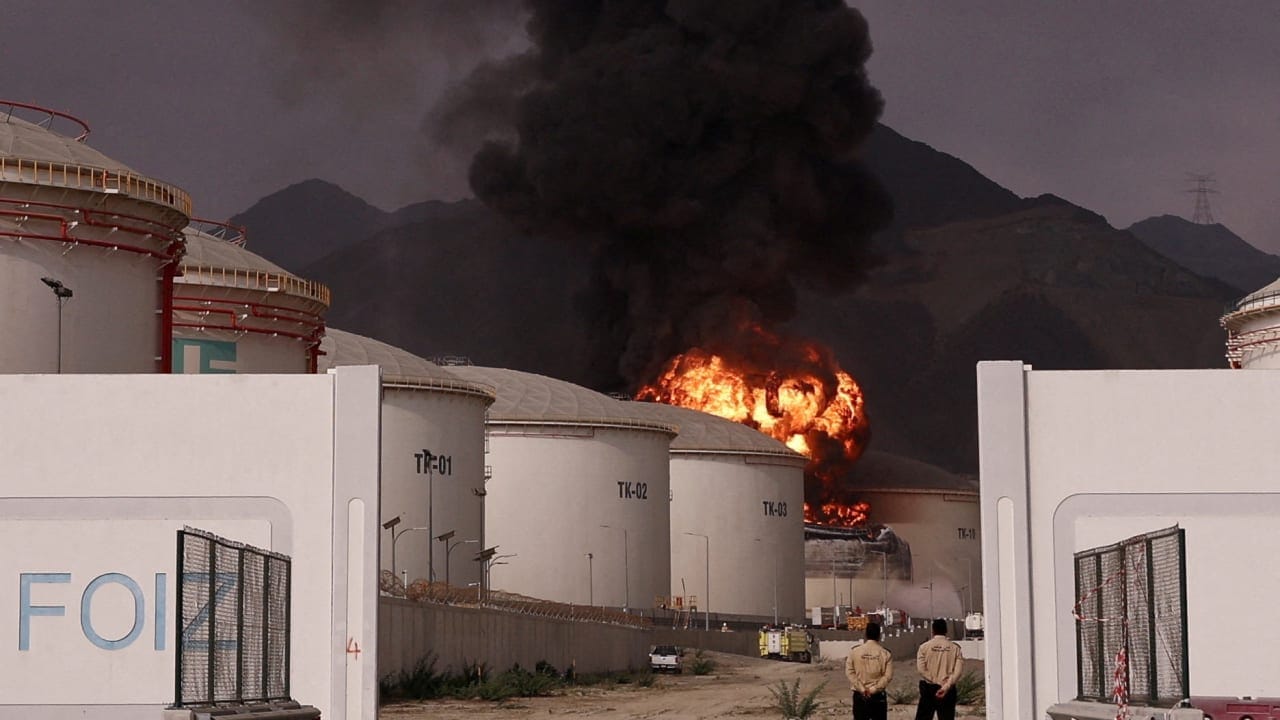
 Surging oil prices triggered by the war with Iran are sending shockwaves through African economies, raising the prospect of higher fuel costs, accelerating inflation and renewed pressure on national currencies. Because most African countries import the bulk of their petroleum products, they are highly exposed to supply disruptions linked to tensions in the Middle East, a critical hub for global oil flows.
As global supplies tighten, oil prices rise while investors shift funds into safe haven assets such as the United States dollar, weakening many African currencies. This combination magnifies the impact of higher import costs in countries such as Kenya and Ghana, echoing the economic strain seen after Russia’s invasion of Ukraine when fuel prices and inflation surged across the continent.
While major oil exporters including Nigeria, Angola, Algeria and Libya could see increased revenues if prices remain above one hundred dollars per barrel, the benefits may be limited. Even oil producing nations often import refined fuels, meaning ordinary citizens are likely to face higher transport costs, rising food prices and potential interest rate increases.
For vulnerable economies, especially those already under programs with the International Monetary Fund, higher energy import bills could strain foreign exchange reserves. Over the longer term, analysts say the crisis may intensify calls for African nations to diversify energy sources and invest in domestic and cleaner energy systems to strengthen long term energy security.