 image sourced from original article at
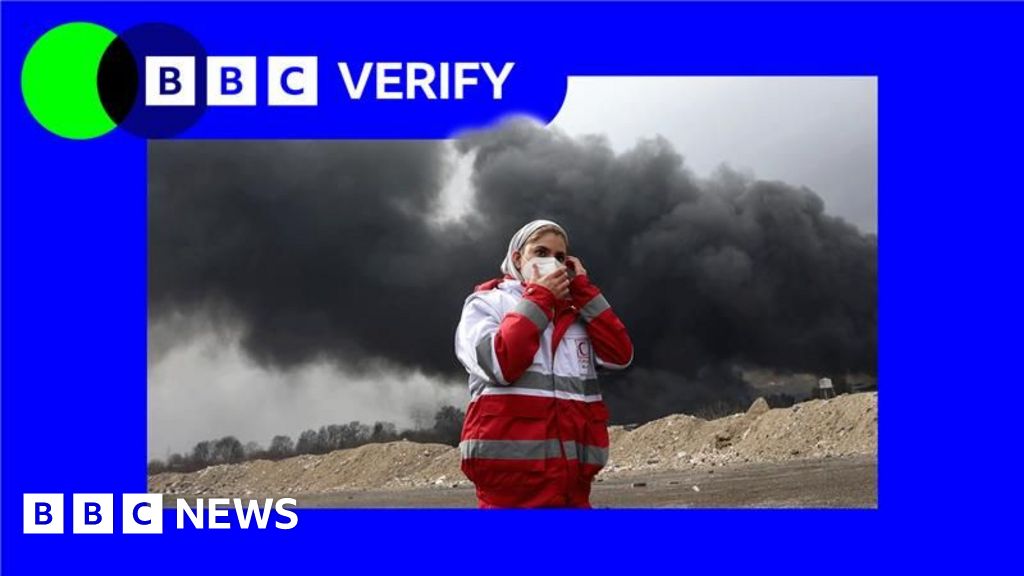
 Air strikes on oil facilities around Tehran have triggered severe air pollution, with satellite images showing major fires still burning at two key sites. Since attacks by the United States and Israel began on 28 February, at least four oil facilities near the capital have been hit, sending thick smoke across a metropolitan area home to nearly 10 million people. Residents report that smog has obscured the sun and left a persistent smell of burning.
Scientists say the scale and type of pollutants released are highly unusual, comparing the situation to a catastrophic industrial accident. Burning oil can emit carbon monoxide, soot, sulphur and nitrogen oxides, hydrocarbons and metallic compounds, creating dangerous air quality. Experts warn that the mix of chemicals produced by missile strikes on refineries is unprecedented in a densely populated city.
On Sunday, residents reported 'black rain', a phenomenon in which rainfall collects soot and other pollutants, darkening the water as it falls. Health officials from the World Health Organization have raised concerns that contamination of air, water and food could pose serious risks, particularly to vulnerable groups. Specialists caution that exposure to high levels of particulates can cause immediate lung damage and may increase long term risks such as cancer, even if rainfall and wind temporarily disperse the pollution.