image sourced from original article at
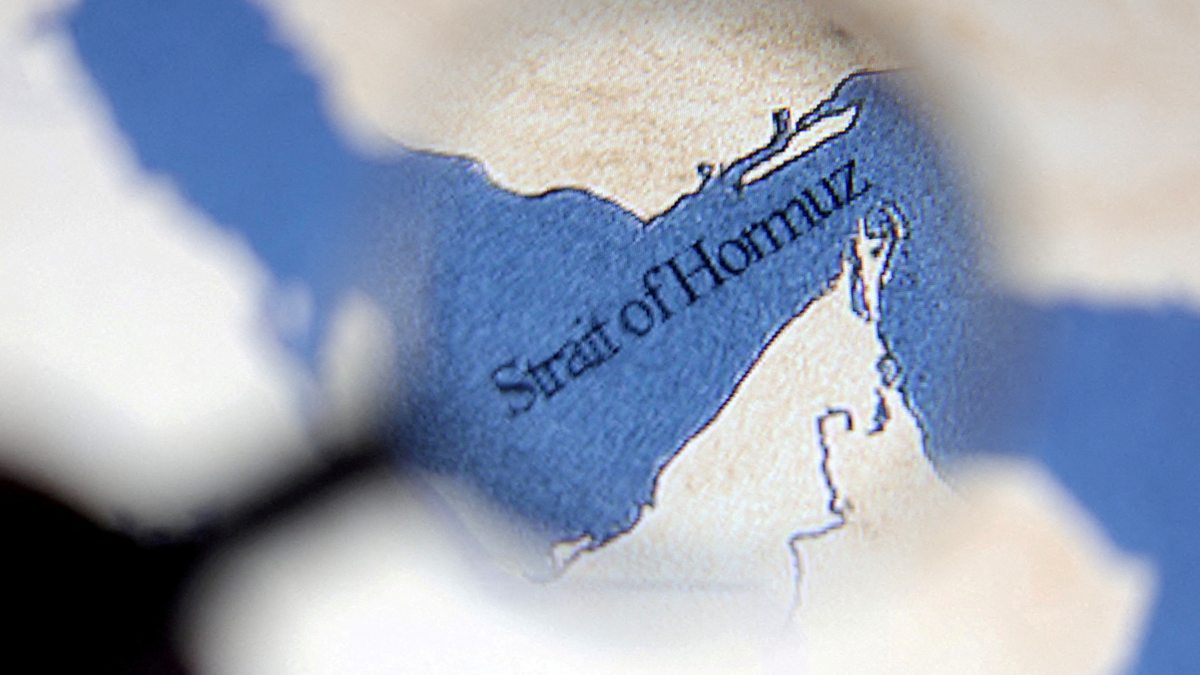
 Gas prices across the United States have climbed sharply following recent military strikes on Iran, with average prices rising nearly 17 percent in less than two weeks. Diesel has surged even more, increasing shipping and transportation costs that affect everyday goods. Oil prices briefly spiked amid disruptions in the Strait of Hormuz, a key route for global energy supplies, raising concerns that fuel costs could climb further if the conflict continues.
Higher energy prices are expected to ripple through the economy, especially in food production. Increased fuel costs make imported goods more expensive, and disruptions to fertilizer shipments from the Persian Gulf could limit crop yields and push grocery prices higher. Farming groups have warned that shortages and rising fertilizer costs threaten both food security and broader inflation.
Air travel is also becoming more expensive as jet fuel prices jump, potentially discouraging travel during peak seasons. Meanwhile, financial markets have turned volatile, and economists caution that a prolonged conflict could slow hiring, reduce consumer spending, and increase the risk of a recession if uncertainty and high energy costs persist.