 image sourced from original article at
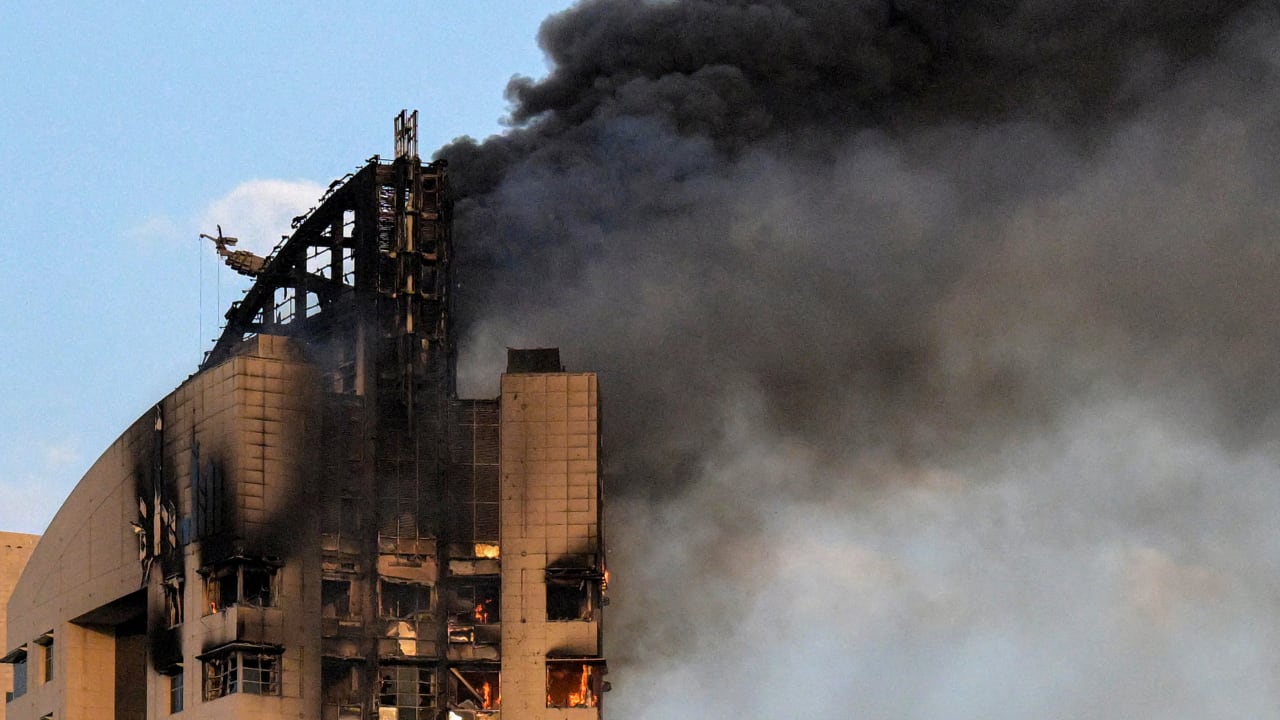
 Global oil and natural gas prices surged after Iran launched missile and drone strikes on energy facilities across the Gulf, hitting a Saudi refinery on the Red Sea, liquefied natural gas sites in Qatar and oil refineries in Kuwait. The attacks set off fires and caused extensive damage, raising fears of prolonged disruptions to global energy supplies. Brent crude climbed sharply, rising more than sixty percent since the war began in late February.
The escalation followed an Israeli strike on Iran’s South Pars natural gas field, a critical source of energy for Iran and a shared resource with Qatar. Iran has since targeted infrastructure in neighboring countries and disrupted shipping through the Strait of Hormuz, a vital corridor for global oil transport. Ships have been struck near Qatar and the United Arab Emirates, and several Gulf states reported intercepting incoming drones and missiles.
Regional and international leaders condemned the attacks on civilian and energy infrastructure, warning of a dangerous escalation. Gulf nations pledged solidarity against further strikes, while European and Asian officials urged restraint. United States President Donald Trump warned Iran against additional attacks on Qatar’s gas facilities, threatening severe retaliation if they continue.
The conflict has also intensified elsewhere, with ongoing missile fire between Iran and Israel and continued Israeli strikes in Gaza. As fighting spreads across multiple fronts, concerns are mounting over long term damage to energy infrastructure and the broader impact on global markets and regional stability.