 image sourced from original article at
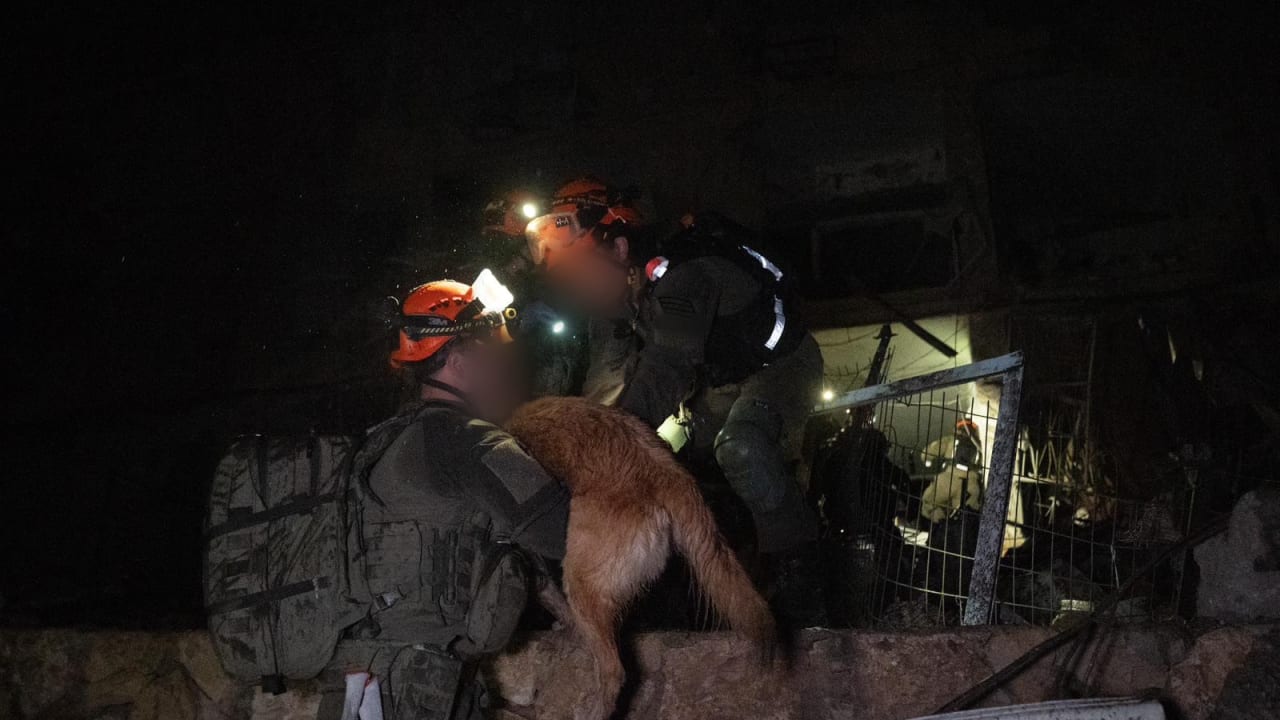
 Iran launched missile strikes on an Israeli city near the country’s main nuclear research facility as President Donald Trump signaled uncertainty about how and when to wind down a three week war that has destabilized global energy markets and strained alliances. While Trump initially projected confidence that Iran would capitulate, he has recently softened or abandoned earlier objectives, shifting from demands for unconditional surrender and regime change to a narrower goal of preventing Iran from nearing nuclear capability.
The conflict has triggered what the International Energy Agency called the largest supply disruption in the history of the global oil market, sending prices sharply higher and prompting emergency measures from Washington. The administration approved releases from the Strategic Petroleum Reserve and allowed shipments of Russian and Iranian oil already at sea to proceed in an effort to calm markets. Iran has threatened further escalation in the Persian Gulf, including potential attacks on shipping routes, raising fears of prolonged instability.
Trump has also called on other nations to take responsibility for policing the Strait of Hormuz, signaling a shift in burden to allies after initially sidelining them. Expectations of quick Iranian surrender or internal uprising have not materialized, and intelligence officials report no significant defections from Iran’s leadership. What Trump once described as a short military excursion now shows no clear end, with analysts warning that the geopolitical and economic consequences could outlast the president’s initial ambitions.