 image sourced from original article at
 The near closure of the Strait of Hormuz following the war involving Iran, the United States and Israel has triggered a severe fuel crisis across Asia, where nearly ninety percent of the oil and gas passing through the waterway is destined. With only a small number of ships able to transit and energy infrastructure under attack, oil prices have surged, disrupting economies and daily life thousands of miles from the conflict.
Governments across the region have introduced emergency measures to conserve energy, including remote work mandates, shorter work weeks, public holidays and fuel rationing. In the Philippines, public transport drivers, farmers and fishermen report collapsing incomes as fuel costs soar. In Thailand, authorities have urged reduced air conditioning use and remote work, while in Sri Lanka and Myanmar long fuel queues and restricted vehicle use have disrupted jobs and routines.
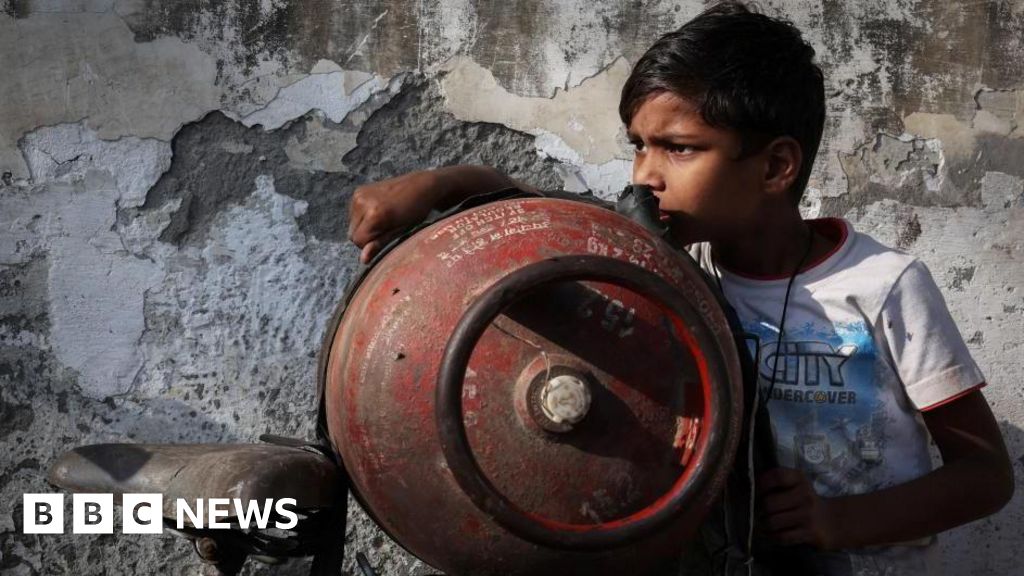
India has been particularly hard hit, with shortages of cooking gas and industrial fuel forcing factory closures, restaurant shutdowns and widespread anxiety. Migrant workers and small business owners say their livelihoods are at risk as the crisis stretches on. As the conflict shows no sign of ending, households and industries across Asia are bracing for prolonged instability and economic strain.