 image sourced from original article at
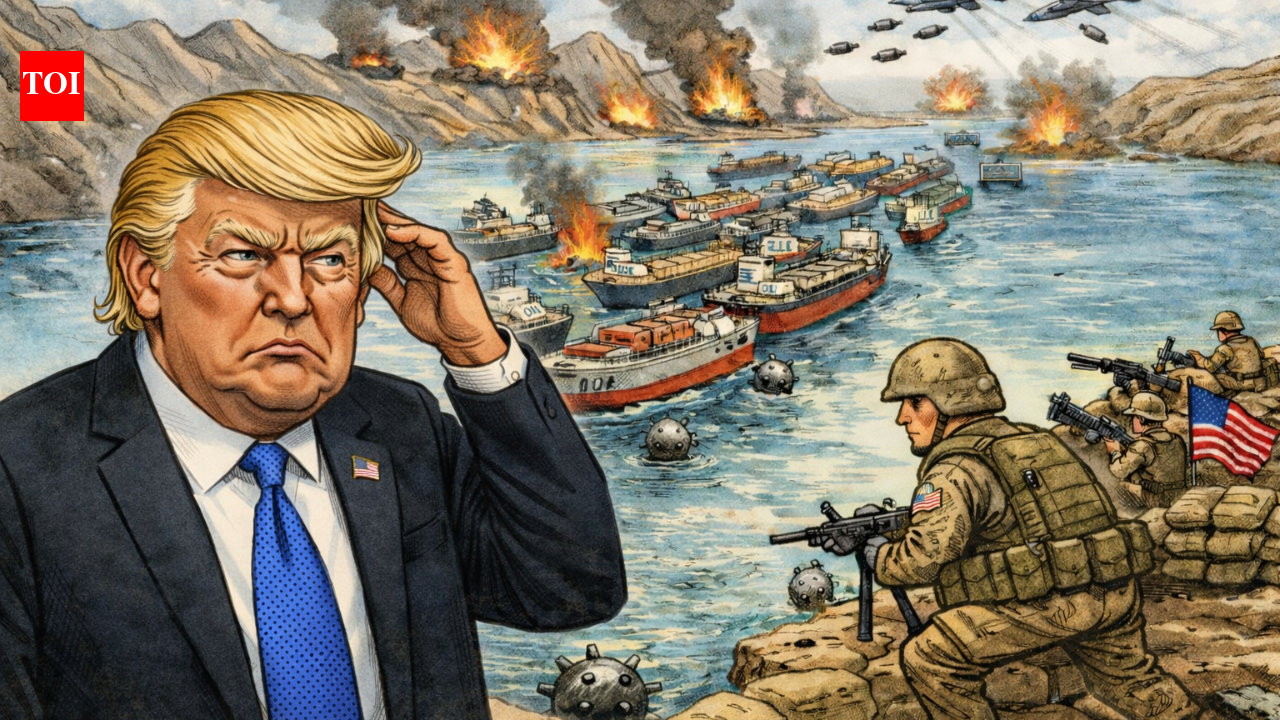
 The war involving Iran, the United States and Israel continues as both sides stake out firm conditions for ending the conflict. Washington is demanding that Iran end its nuclear program and reopen the Strait of Hormuz to global trade, while Tehran insists the war can conclude only on its own terms, including reparations, an end to sanctions and recognition of its sovereignty over the strategic waterway.
Iran also seeks a broader regional cease-fire that would protect Hezbollah, the Lebanese armed group it backs. Leaders in Tehran rejected any effort by President Trump to dictate the timing or terms of a settlement, even as each side publicly claimed the upper hand in the fighting.
Meanwhile, military operations have intensified. Prime Minister Benjamin Netanyahu ordered a 48-hour campaign to further damage Iran's arms industry, and the United States deployed about 2,000 paratroopers to expand its military options. Iran responded with cruise missile attacks on the aircraft carrier Abraham Lincoln.
Despite the escalation, diplomatic channels remain open. Officials from both Iran and the United States have indicated a willingness to meet in Pakistan for peace talks, with Islamabad proposing dates within days. Questions remain over who would represent Iran at the مذاکرات, though parliamentary speaker Mohammad Bagher Ghalibaf has discussed peace efforts with Pakistani officials.