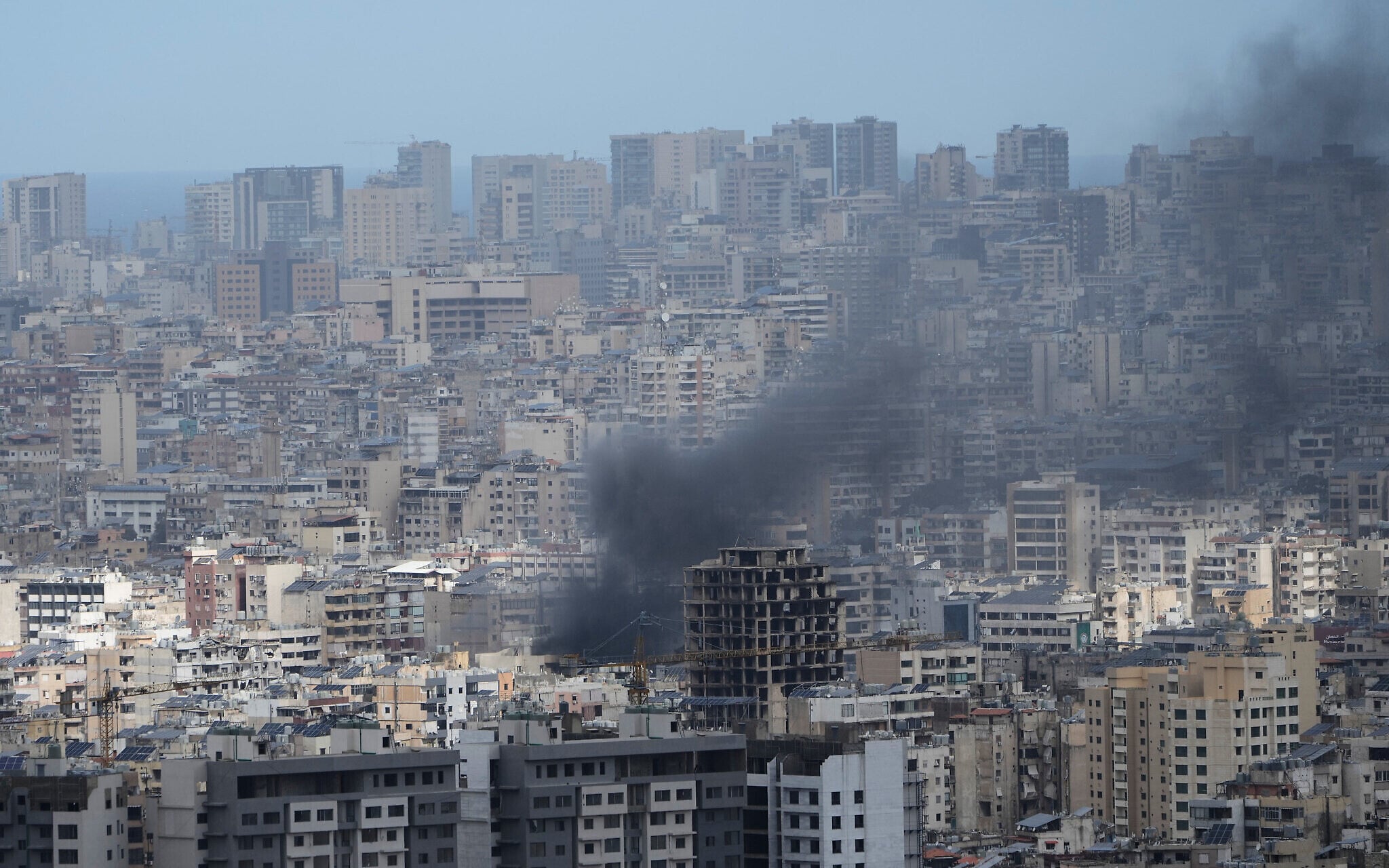
 image sourced from original article at
 Ministers are holding emergency talks with major energy and shipping firms amid fears that disruption in the Middle East could trigger diesel shortages within weeks and a prolonged energy shock. The Prime Minister and the Chancellor are drawing up contingency plans as oil prices surge following the closure of the Strait of Hormuz, a vital route for global energy supplies.
Economists and shipping specialists warn the impact could exceed the energy crisis of the 1970s because today’s global economy is far more interconnected. They caution that constrained oil and fertiliser exports from the Gulf may drive up fuel and food prices worldwide, with poorer nations particularly vulnerable to instability. Some experts say the supply shock could last many months even if the strait reopens soon, due to extended supply chains and damaged infrastructure.
The United Kingdom, which imports a significant share of its energy, is seen as especially exposed to rising global prices. While several European countries and Australia have cut fuel duties to ease pressure on consumers, the Government has so far resisted similar moves and insists there is no need for rationing. However, officials acknowledge that higher energy costs could push inflation up again and weigh heavily on economic growth.