 image sourced from original article at
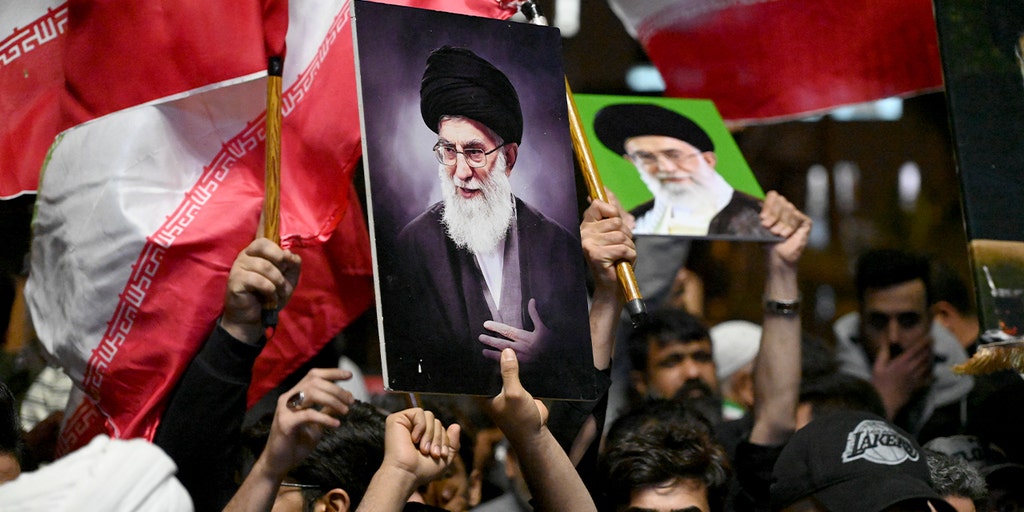
 Iran has entered a period of uncertainty following the death of its supreme leader, ending more than three decades of centralized rule and triggering a carefully structured succession process. While his death is described as a significant blow to the Islamic Republic, officials and analysts say the regime had long prepared contingency plans to preserve its grip on power.
Experts outline three possible paths forward: managed continuity under a new supreme leader, a gradual or overt takeover by military forces, or broader systemic collapse. Despite the leadership change, meaningful political reform is seen as unlikely in the near term, given the entrenched power of clerical elites and security institutions.
Under Iran's constitution, the Assembly of Experts is responsible for selecting the next supreme leader, with an interim council stepping in during any vacancy. Observers note that the Office of the Supreme Leader has evolved into a vast institutional network overseeing military, security and economic sectors, ensuring that authority remains embedded within the system rather than dependent on a single individual.