 image sourced from original article at
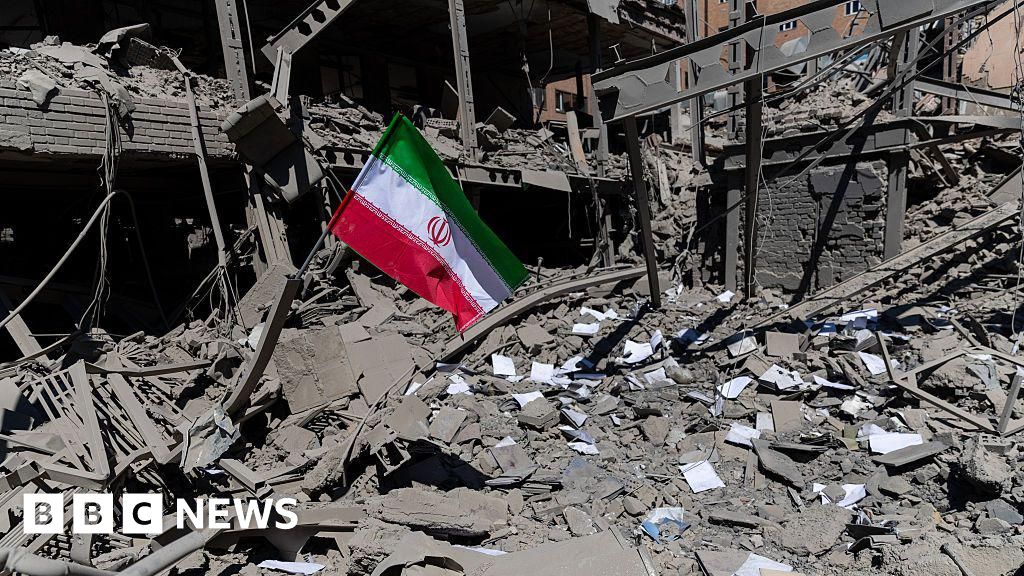
 A ceasefire between the United States, Israel and Iran has brought a temporary respite for many civilians across the Middle East after weeks of conflict, though violence has continued in Lebanon. The truce follows a dramatic shift in tone from President Donald Trump, who moved from issuing stark threats against Iran to describing Tehran's ten-point proposal as a workable basis for negotiations in Pakistan. Despite the pause in fighting, deep mistrust and sharply opposing public positions leave the agreement fragile.
Both Washington and Tehran are portraying the outcome as a decisive victory. American officials describe overwhelming military success, while Iranian leaders claim the emergence of a new regional balance of power. Each side believes the other was forced to negotiate, whether through military pressure or strategic resilience, including Iran's continued missile capabilities and its control over the Strait of Hormuz.
Talks in Islamabad are expected to address Iran's nuclear programme and the future of the Strait of Hormuz, a vital global shipping route that Tehran has shown it can disrupt. Iran is seeking sanctions relief, reparations and recognition of its authority over the strait, demands likely to face resistance. Meanwhile, Israel, which was not directly involved in the ceasefire diplomacy, fears that tactical military gains may not translate into long-term strategic advantage.
The war and its aftermath are reshaping regional politics. China has increased its diplomatic influence, Gulf Arab states are reassessing security ties, and European allies have been unsettled by President Trump's rhetoric. Although the fighting has paused, the political, military and economic consequences of the conflict continue to reverberate across the Middle East and beyond.