 image sourced from original article at
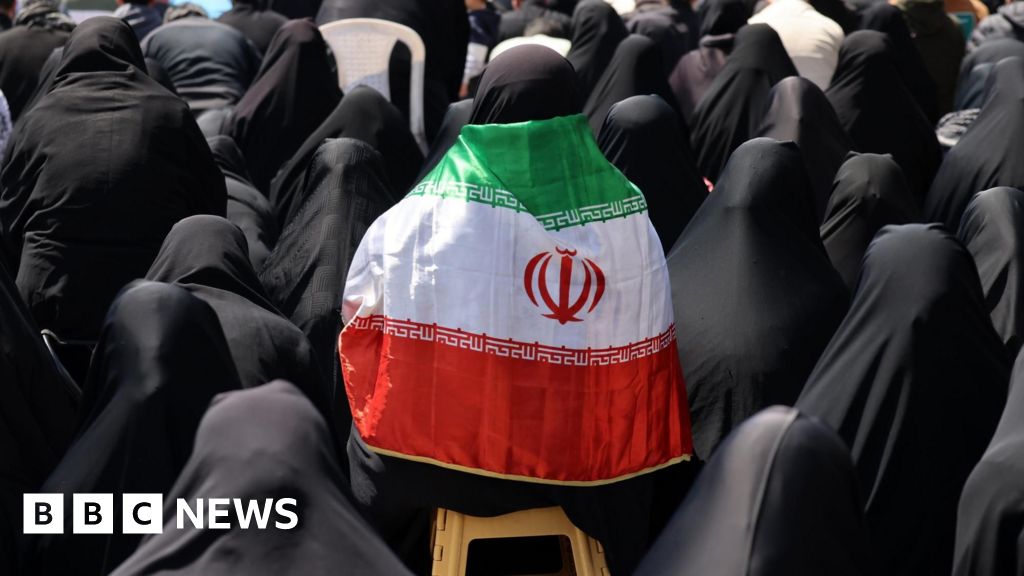
 Iran's decision to accept a two-week ceasefire with the United States and reopen the Strait of Hormuz has exposed deep divisions within the country's leadership. Hardliners in Tehran, who had publicly vowed to keep the strategic waterway closed, reacted angrily after the agreement was announced, staging protests and accusing officials of handing a 'gift to the enemy'.
The ceasefire, mediated by Pakistan with support from China, was approved by the Supreme National Security Council under the authority of the new Supreme Leader, Mojtaba Khamenei. The council framed the move as a strategic victory that would allow negotiations to proceed while preserving Iran's position. The decision also opens the door to direct talks with the United States, a significant shift from the long standing ban under the previous leader.
After forty days of war that left more than 3,000 people dead and caused widespread destruction, even some hardline figures had begun signaling the need for a way out. While many Iranians welcome the pause in fighting, tensions remain high and the conflict could resume if negotiations fail.