
 image sourced from original article at
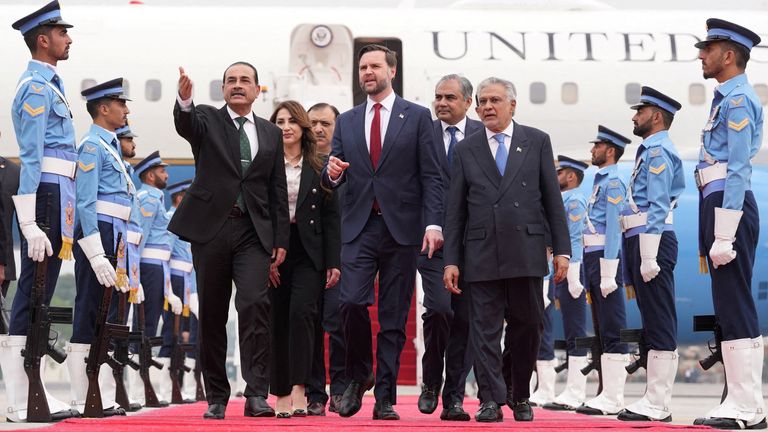
 Talks between the United States and Iran ended without agreement after 21 hours of high-level negotiations, the most significant since Iran’s revolutionary government took power in the 1970s. Both sides quickly offered conflicting accounts of why the discussions failed. United States Vice President JD Vance said Iran refused to abandon its pursuit of nuclear weapons, while Iranian officials claimed Washington demanded control over enriched uranium and challenged Iran’s sovereignty over the Strait of Hormuz.
The collapse suggests Washington may have misjudged Tehran’s willingness to concede early in the process. Previous nuclear agreements took years of sustained diplomacy, and this round appeared to falter over both nuclear ambitions and control of the strategic waterway that gives Iran leverage over global trade. Iranian officials argued the United States was seeking at the negotiating table what it could not achieve through military force.
With a temporary two-week ceasefire still in place, further diplomacy is expected through mediators and back channels. However, if no progress is made beyond this meeting in Islamabad, the risk of renewed conflict remains high as both sides test whether the other will bend under pressure.