image sourced from original article at
 Lebanon has secured a 10-day cease-fire with Israel after weeks of fighting with Hezbollah, offering a brief respite but no clear path to lasting peace. The truce followed risky diplomatic outreach by Lebanese leaders, who sought talks with Israel while carefully avoiding steps that could be seen as normalizing relations. The move has temporarily eased tensions but left deeper conflicts unresolved.
At the heart of the impasse is the question of Hezbollah's disarmament. Israel considers it a fundamental condition for any broader agreement, while Lebanon's government lacks both direct control over the group and a national consensus on how to address the issue. Forcing the matter could spark domestic instability, yet failing to confront it risks renewed war.
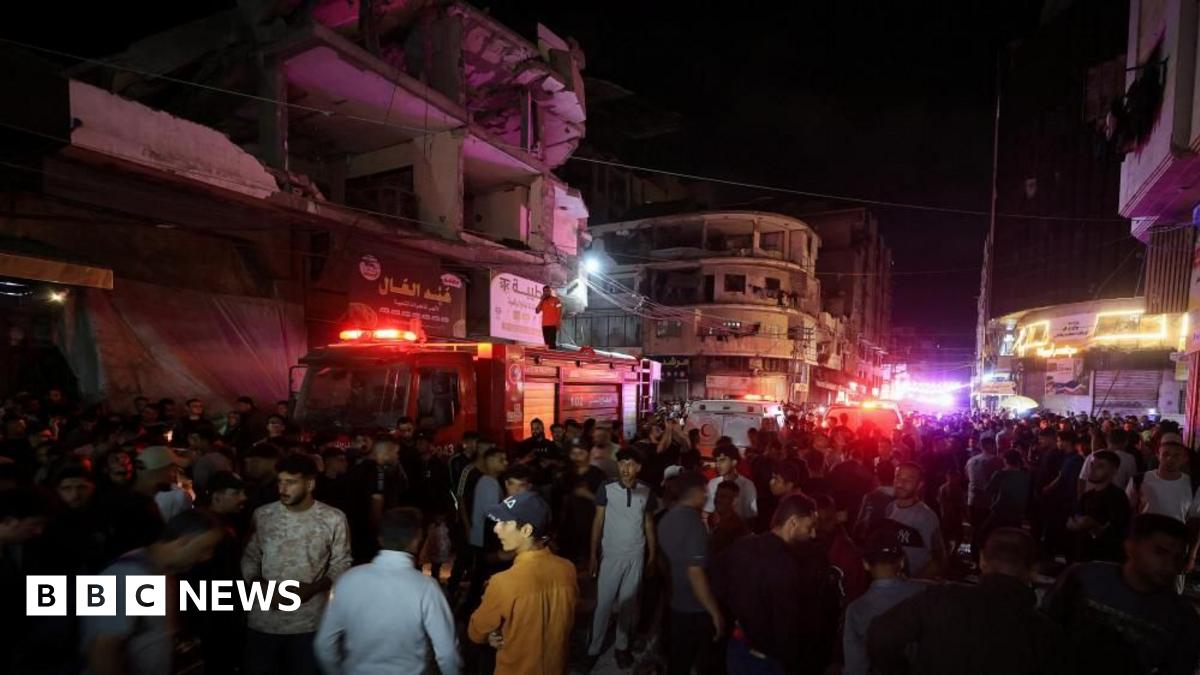
Complicating matters further, Israel has indicated it will maintain a military presence in southern Lebanon, describing plans for a security strip extending several miles into Lebanese territory. The continued occupation threatens to prolong the displacement of hundreds of thousands of civilians and deepen the country's humanitarian crisis.
As negotiations continue, Israel's potential withdrawal is expected to serve as a central bargaining chip. Lebanese leaders face a stark dilemma: press forward with difficult concessions that could inflame internal tensions, or resist and risk a return to open conflict.