
 image sourced from original article at
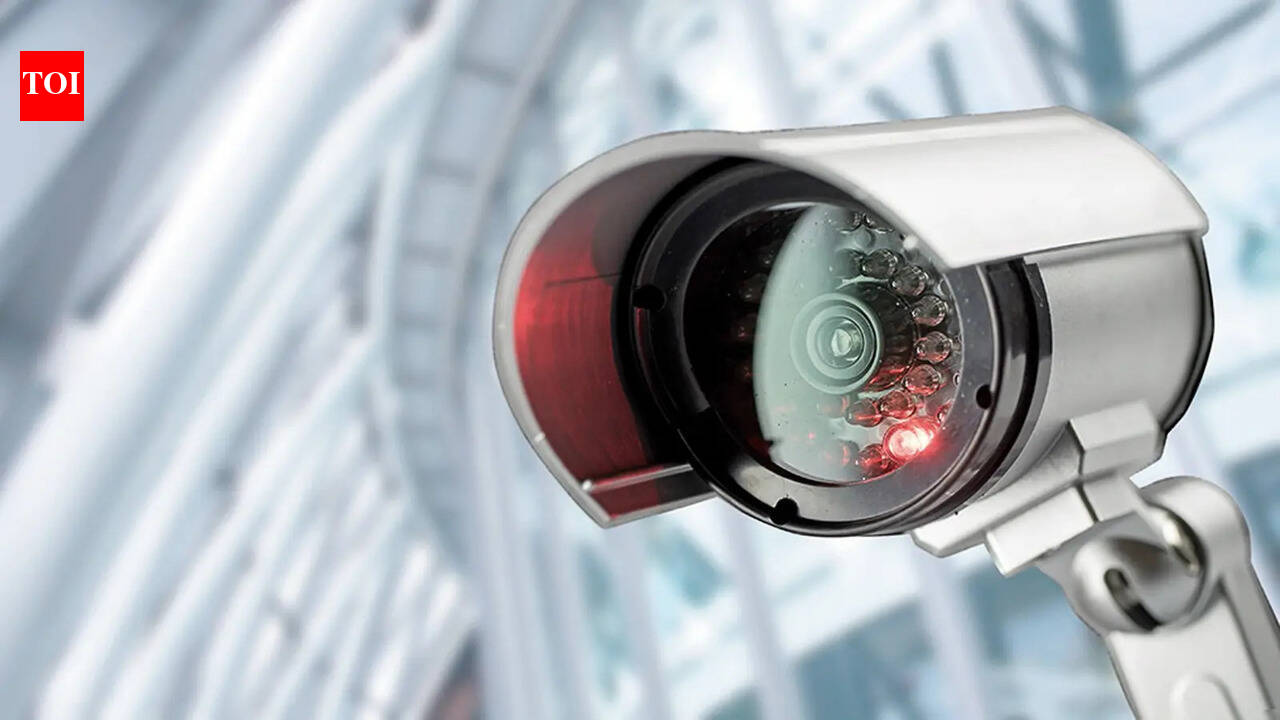
 News reports describing how Israel's intelligence agencies allegedly hacked Tehran's street camera network to track and assassinate senior Iranian leaders have been framed with a sense of technological awe. The operation has been portrayed almost like a scene from a spy thriller, highlighting the sophistication of modern surveillance and cyber warfare.
Yet the episode also exposes a darker reality. Countries with vast networks of closed circuit television cameras, including India, may be far more vulnerable than they realise. Many urban areas are now among the most heavily surveilled in the world, creating enormous pools of visual data that can be exploited if breached.
A significant portion of these surveillance systems were installed years ago with limited cyber security safeguards. As a result, they may be ill equipped to defend against hackers or foreign intelligence services, raising serious concerns about privacy, national security and the unintended risks of mass surveillance infrastructure.