 image sourced from original article at
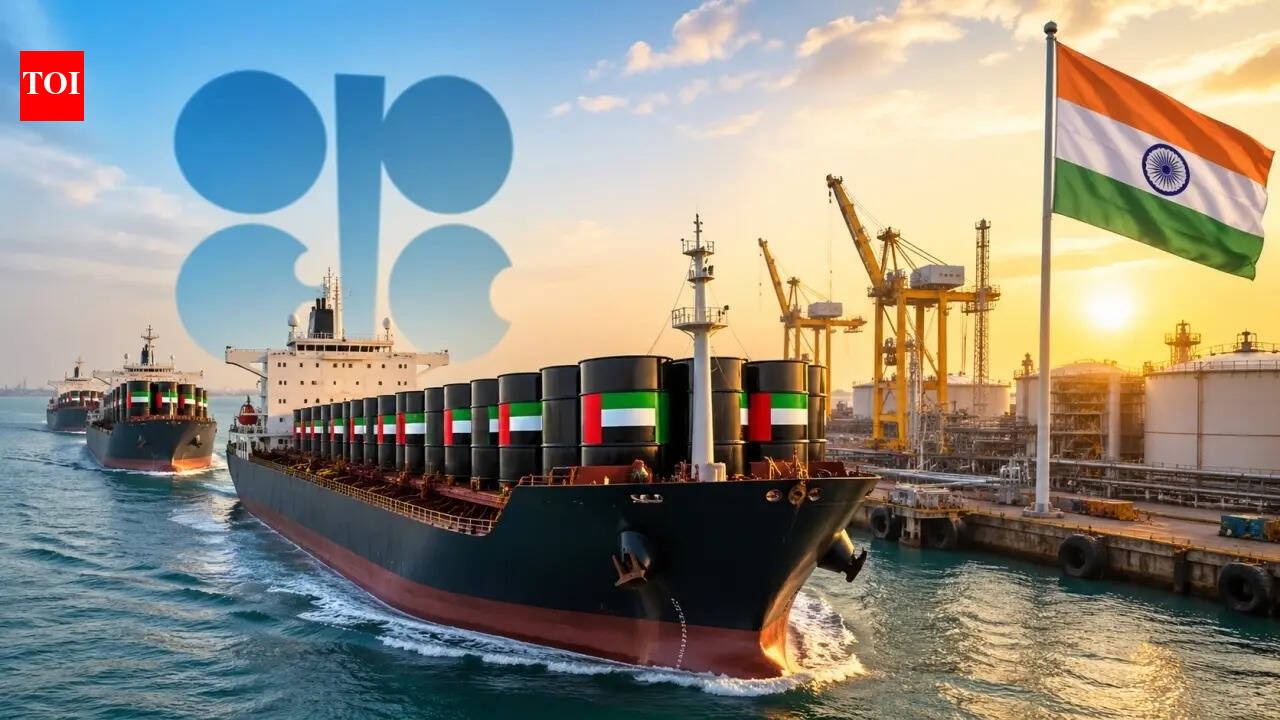
 The United Arab Emirates' decision to exit the Organization of the Petroleum Exporting Countries and its allied producers from May 1, 2026 marks a significant shift in the global oil landscape. The move, announced amid disruptions in the Strait of Hormuz, has raised questions about the relevance and cohesion of producer cartels in an increasingly multipolar world. Analysts believe the decision could weaken coordinated production cuts and gradually reshape global supply discipline.
The United Arab Emirates has been expanding its production capacity and aims to reach around five million barrels per day by 2027. Greater flexibility in output could increase global crude supply and potentially put downward pressure on prices in the short term. This development may dilute the influence traditionally exercised by major oil-producing blocs over international markets.
For India, which imports about ninety per cent of its crude requirements, the shift could prove advantageous. The United Arab Emirates is already among India’s top suppliers, benefiting from geographic proximity, lower freight costs and reliable logistics. Higher production from the Gulf nation would strengthen India’s energy security, especially as it seeks alternatives amid evolving geopolitical risks and possible tightening of sanctions on other suppliers.
Increased crude availability from the United Arab Emirates could also support India’s ambitions to expand its refining and petrochemical capacity. Stable supplies would help secure feedstock for large integrated projects and may deepen bilateral energy partnerships, including trade in local currencies. As India continues to diversify its sourcing strategy, stronger energy ties with the United Arab Emirates could play a pivotal role in ensuring supply stability and industrial growth.