 image sourced from original article at
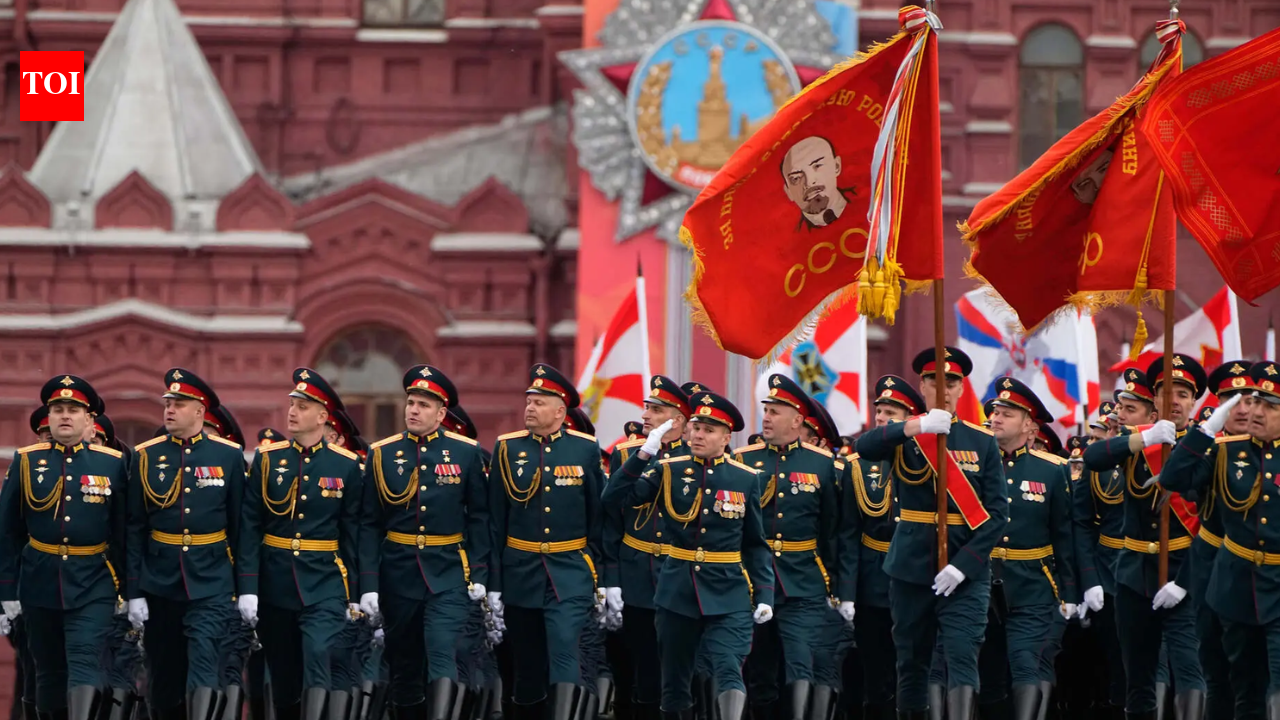
 Russia marked May 9 with a sharply reduced military parade amid fears of Ukrainian drone strikes, underscoring how the war has shifted the strategic balance. For the first time in two decades, heavy military hardware was absent from Red Square, and a temporary ceasefire was arranged following intervention by the United States, alongside a large prisoner exchange. Despite Moscow’s attempt to project strength, Ukraine’s growing drone capabilities and diplomatic maneuvering signaled a symbolic setback for the Kremlin.
In Europe, Poland secured a 43.7 billion euro defence loan under the European Union’s security programme, aiming to rapidly strengthen its military industry in response to Russia’s war against Ukraine. Polish leaders framed the move as a model for the continent, arguing that Europe must invest far more in its own security rather than rely heavily on the United States.
Meanwhile, tensions between the United States and Iran escalated in and around the Strait of Hormuz, disrupting shipping and pushing oil prices above 100 dollars per barrel. Indirect negotiations appeared stalled as regional attacks and counterattacks heightened fears of a broader conflict.
In Asia, Vietnam’s president concluded a state visit to India, where the two countries upgraded ties and signed multiple agreements spanning trade, technology and supply chains. At the same time, the large-scale Balikatan 2026 military exercises in the Philippines brought together 17,000 troops from seven countries, focusing on territorial defence in waters near Taiwan, widely seen as a signal of collective resolve to deter China.