
 image sourced from original article at
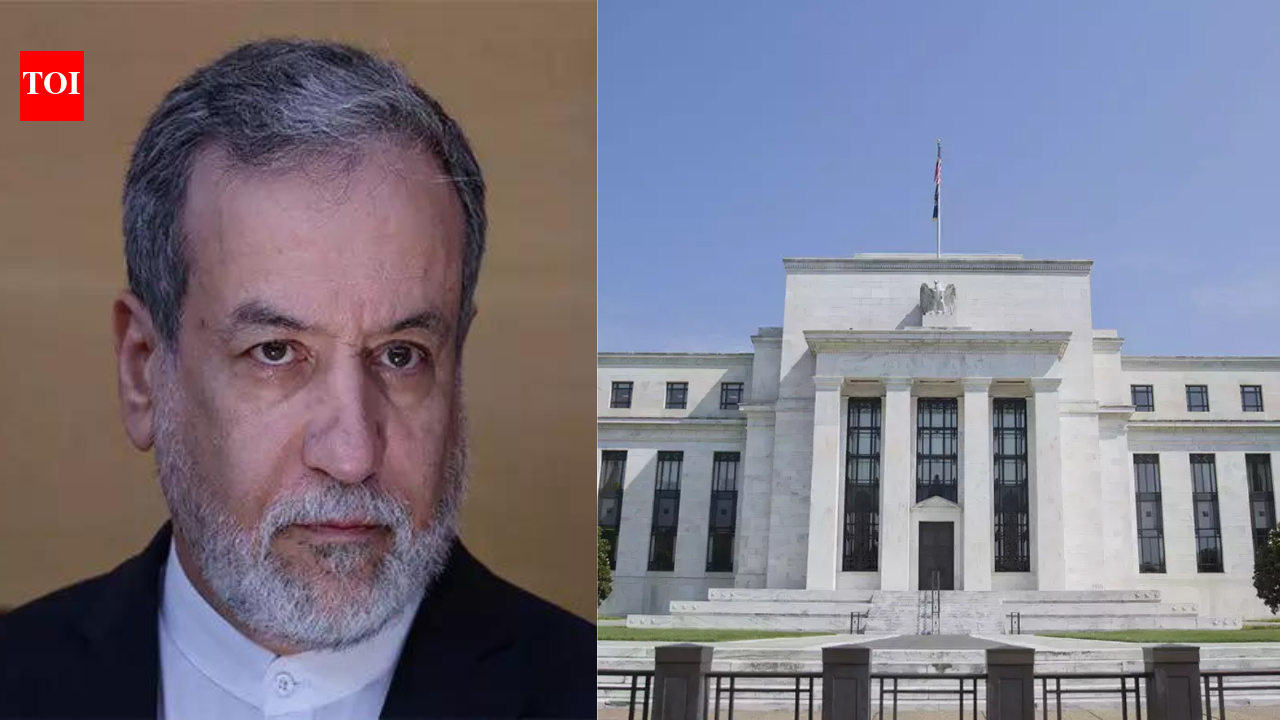
 Iranian Foreign Minister Abbas Araghchi warned that Americans would soon feel the economic consequences of escalating tensions between Washington and Tehran, describing the confrontation as a war of choice. He argued that beyond fluctuations in fuel prices and stock markets, the deeper impact would come from rising national debt costs, higher mortgage rates and growing financial strain on households.
His remarks followed a sharp increase in United States Treasury bond yields, with long term borrowing costs climbing above five percent. Rising yields typically reflect investor expectations of higher inflation and tighter financial conditions, developments that can make borrowing more expensive for consumers and businesses alike.
Concerns about potential disruptions to oil supplies in the Middle East have added to market anxiety, raising the prospect of higher energy prices that could further strain the broader economy. As tensions persist, investors are increasingly factoring in the financial risks of a prolonged confrontation, while Iranian officials argue that the economic fallout for Americans was avoidable.