 image sourced from original article at
 The global energy shock triggered by the United States and Israeli conflict with Iran has disrupted fuel flows far beyond the Middle East, exposing the fragility of interconnected supply chains. Iran’s near-blockade of the Strait of Hormuz, a key route for about one-fifth of global oil trade, has forced countries to draw down reserves and implement emergency measures, leading to unexpected consequences in markets as distant as India and California.
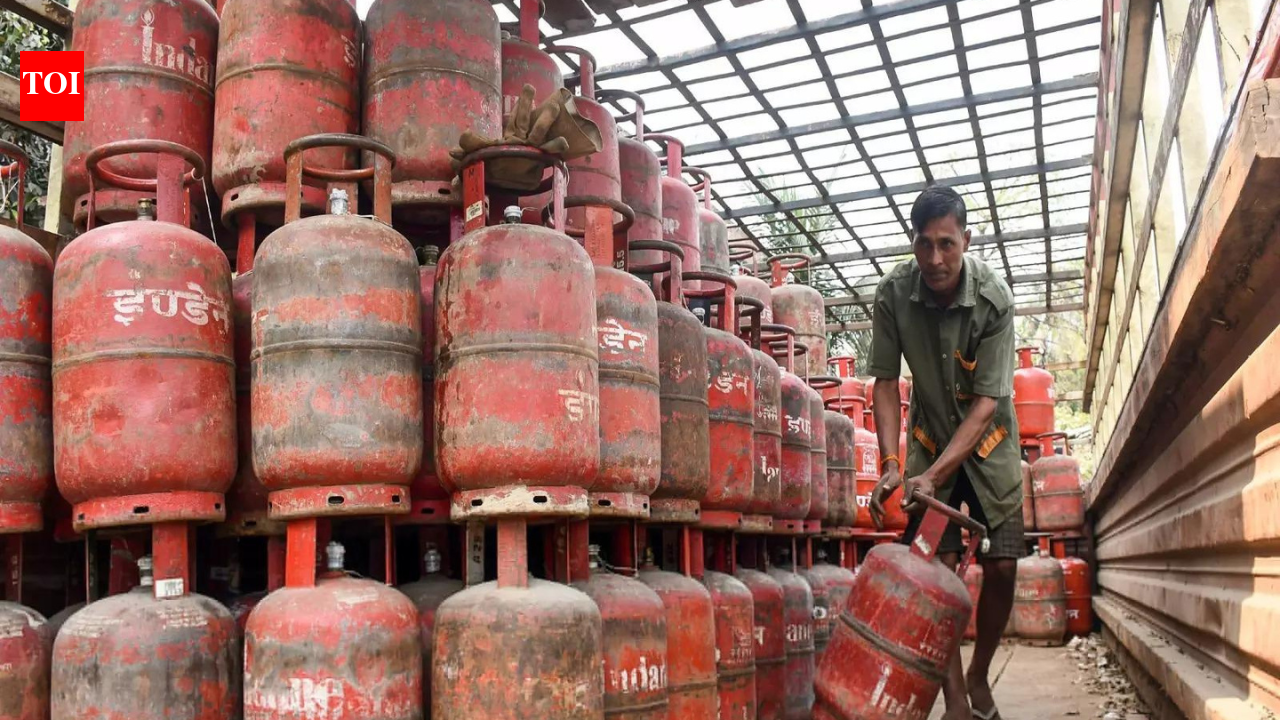
In India, severe shortages of cooking gas have prompted the government to direct refiners to boost domestic production. To do so, refiners have reduced output of alkylates, a fuel-blending component made from cooking gas feedstock. As a result, India’s alkylate exports have dropped sharply, reaching their lowest levels in months as domestic needs take priority.
California, which relies heavily on alkylates for its cleaner-burning gasoline required under strict environmental rules, is now feeling the impact. Reduced fuel exports from Asia combined with lower alkylate shipments from India have tightened supply, pushing average gasoline prices above 6 dollars per gallon, with analysts warning they could climb further during the summer travel season.
State officials say gasoline inventories remain adequate for now, but options are limited if disruptions continue. Analysts suggest that temporarily relaxing California’s fuel specifications may be the only effective way to ease supply pressure, as measures such as fuel tax cuts could worsen shortages by increasing demand.