 image sourced from original article at
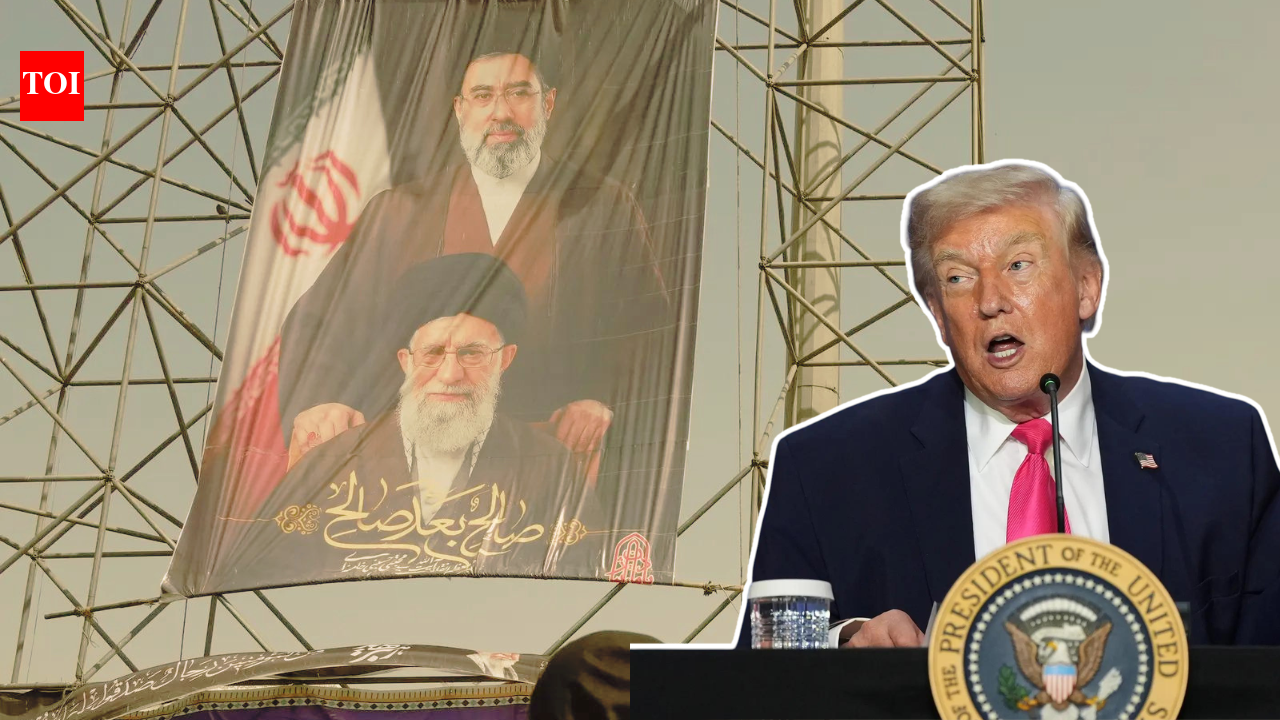
 An emerging agreement between the United States and Iran following weeks of military confrontation has sparked sharp backlash in Washington, particularly among conservative lawmakers who had backed a forceful campaign aimed at crushing Tehran's nuclear ambitions. Critics argue that despite sustaining heavy damage, Iran remains strategically intact and may have even strengthened its regional leverage after demonstrating its ability to disrupt the Strait of Hormuz and withstand joint military pressure from the United States and Israel.
Prominent Republican senators have warned that any deal allowing Iran to retain uranium enrichment capacity or regional influence would amount to a strategic failure. Some lawmakers who initially supported the military action now fear the administration is settling for de-escalation rather than achieving its stated objective of unconditional surrender. Political divisions have also surfaced within President Donald Trump's own coalition, with influential conservative voices urging him to avoid a prolonged Middle East conflict.
Tehran, meanwhile, has projected confidence, framing the negotiations as proof of its resilience. Iranian officials have emphasized that the country survived the assault without conceding core strategic interests and now seeks security guarantees, sanctions relief and recognition of its regional role. Analysts suggest the conflict may have hardened Iran's bargaining position, complicating Washington's broader strategic goal of shifting focus away from Middle Eastern crises.
The unfolding diplomacy highlights the limits of military pressure and underscores the geopolitical consequences of a conflict that appears to have delivered tactical gains but uncertain strategic results for the United States and its allies.