 image sourced from original article at
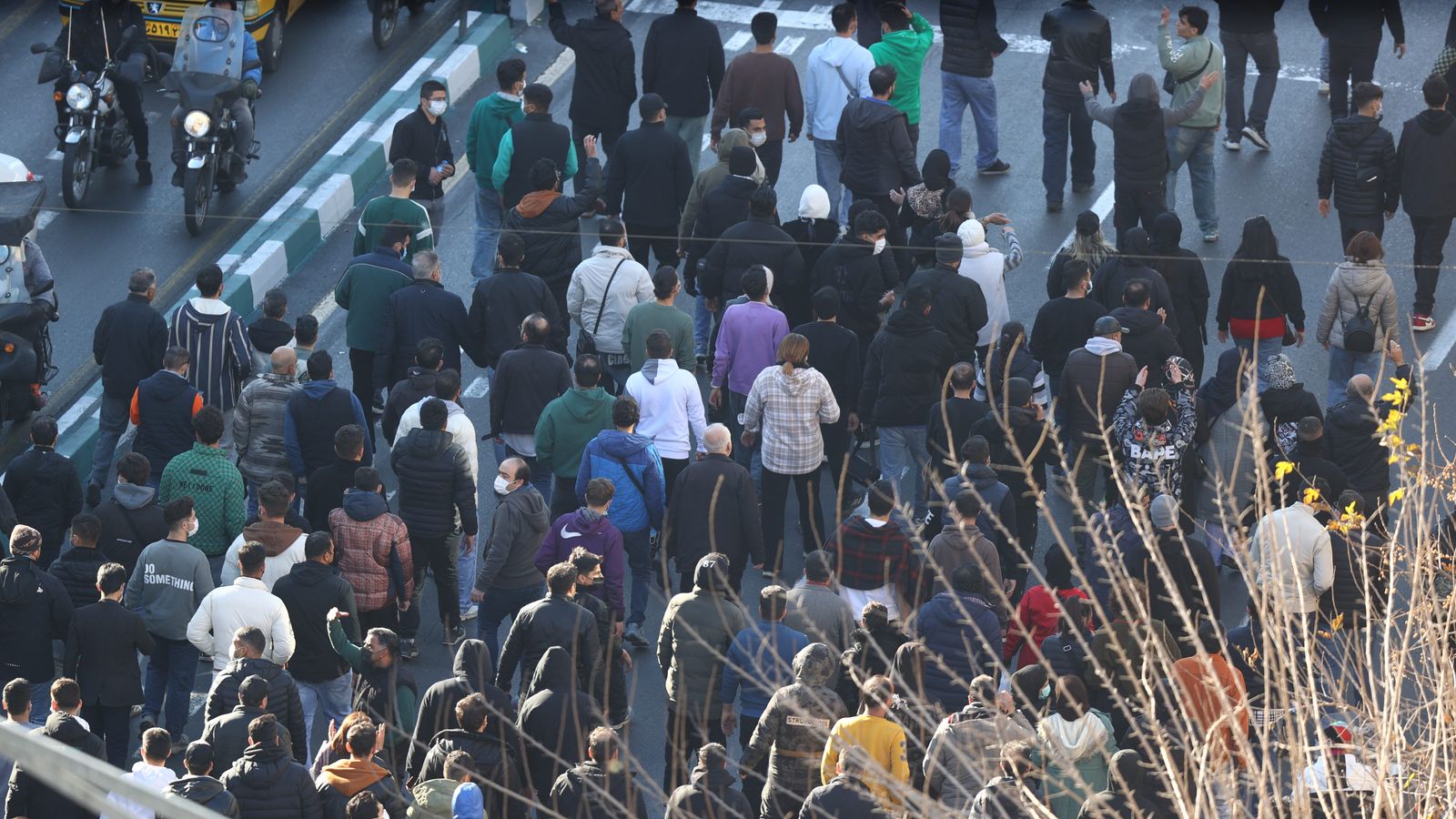
 Protests have erupted across Iran, triggered by a deepening economic crisis and surging inflation that has made basic goods unaffordable for many. Demonstrations began in Tehran on 28 December and have since spread to hundreds of locations, with at least 29 people reported dead and over 1,200 detained. While the unrest started over economic grievances, it has grown to include broader political demands, with protesters chanting anti-government slogans and clashing with security forces in multiple provinces.
The Iranian government has responded by acknowledging the protests and offering dialogue, while also differentiating between peaceful demonstrators and what it calls rioters. President Masoud Pezeshkian announced changes to subsidy policies, which are expected to further raise prices. Kurdish opposition groups have expressed support for the protests, suggesting the possibility of escalating unrest.
International attention has increased, with the United States warning of intervention if violence against protesters continues, prompting threats from Iranian officials. The current wave of protests is seen as one of the most significant challenges to Iran's clerical rulers since the 1979 revolution, echoing previous periods of unrest in the country.