 image sourced from original article at
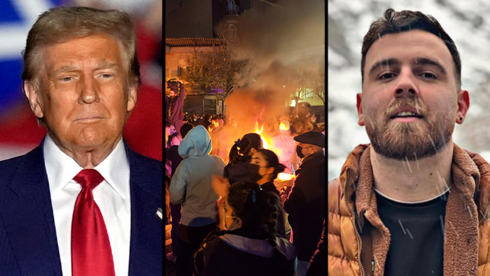
 Nearly five decades after the Shah of Iran fled the country, the Pahlavi name is once again echoing through the streets of Iran as mass protests challenge the legitimacy of the Islamic Republic. The current uprising, marked by widespread strikes and chants for the return of the monarchy, has seen Crown Prince Reza Pahlavi emerge as a unifying figure, offering guidance and pledging to return to Iran in solidarity with the protesters.
Unlike previous movements, which lacked coordination and leadership, this wave of dissent is rallying around Pahlavi's vision for a democratic and economically stable Iran. His transition plan outlines measures to secure public assets, maintain salaries, and restore confidence in the currency, aiming to prevent chaos in the aftermath of a potential regime collapse.
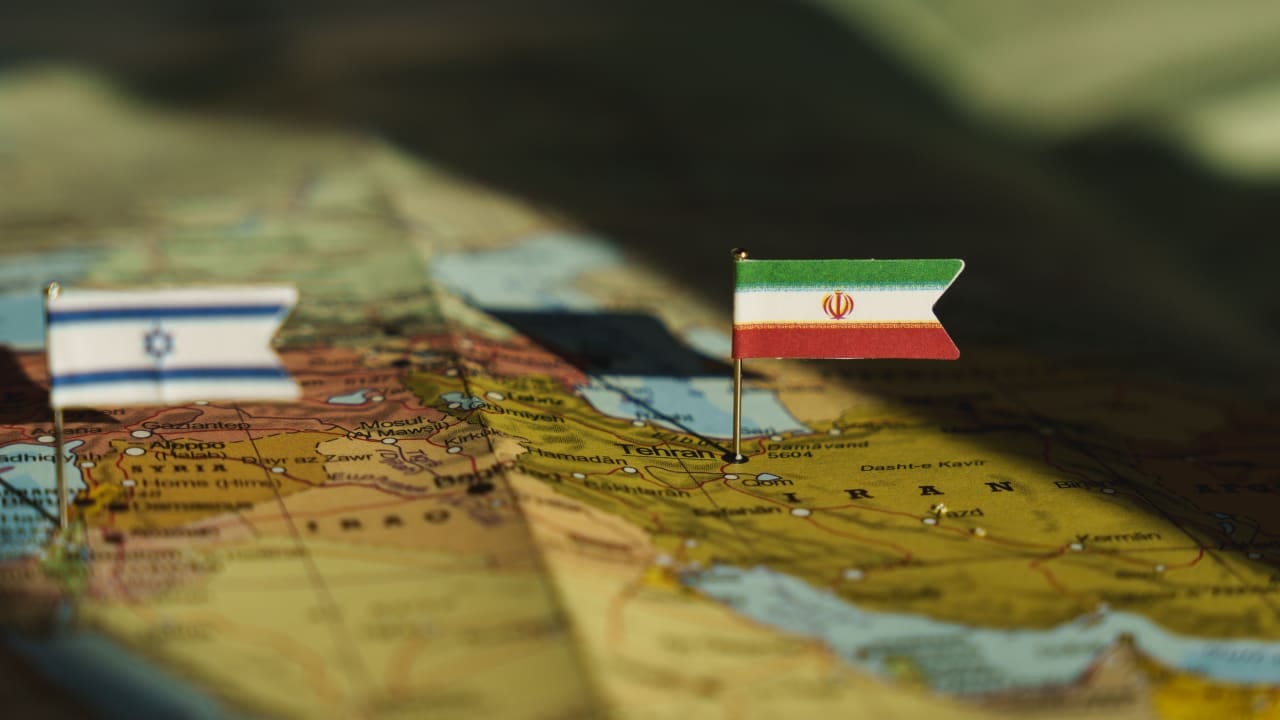
Pahlavi has also articulated a diplomatic future for Iran, promising to end nuclear ambitions, normalize relations with the United States, and recognize Israel, positioning Iran as a stabilizing force in the region. While the regime continues to respond with repression, the opposition is now united behind a leader with a clear strategy, marking a significant shift in Iran's political landscape.