 image sourced from original article at
 Mass protests erupted across Iran in early January, sparked by economic hardship and quickly evolving into widespread dissent against the country's leadership. Demonstrators from diverse backgrounds joined together, expressing a rare sense of hope and unity, but were met with an unprecedented and brutal crackdown by security forces. Eyewitnesses described scenes of violence, with anti-riot police firing tear gas and pellets into crowds, and hospitals overwhelmed by casualties as authorities sought to suppress any support for the wounded.
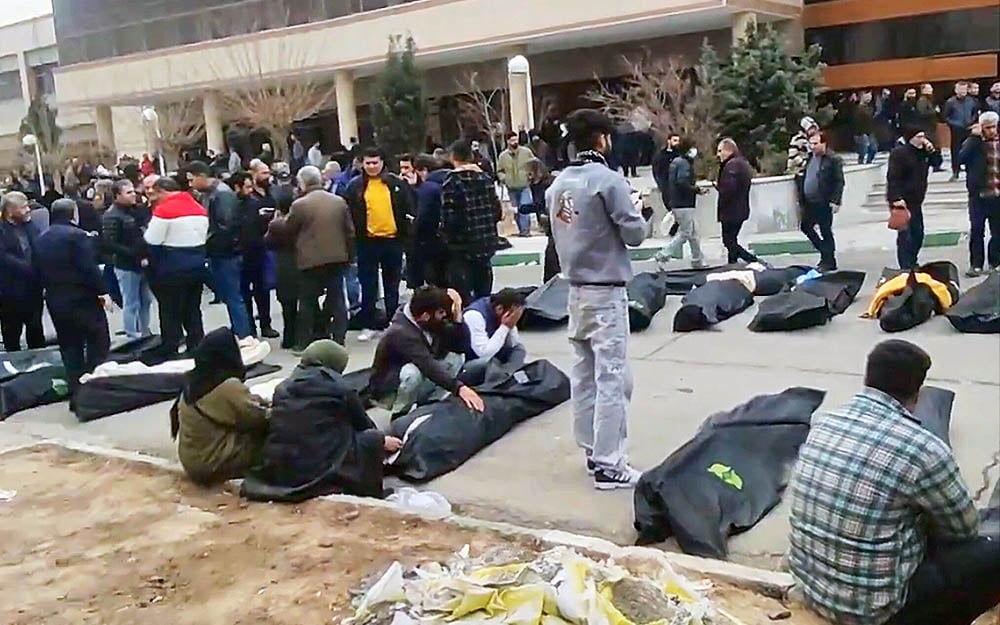
Activists estimate that over six thousand protesters have been killed, marking the bloodiest response to dissent since the Islamic Republic's founding. Interviews with Iranians reveal the deep frustration over economic mismanagement and restrictions on personal freedoms, as well as the trauma of witnessing state violence. Despite the crackdown and ongoing internet blackouts, many remain determined to continue their struggle for rights and dignity, even as fear and grief linger in the aftermath.
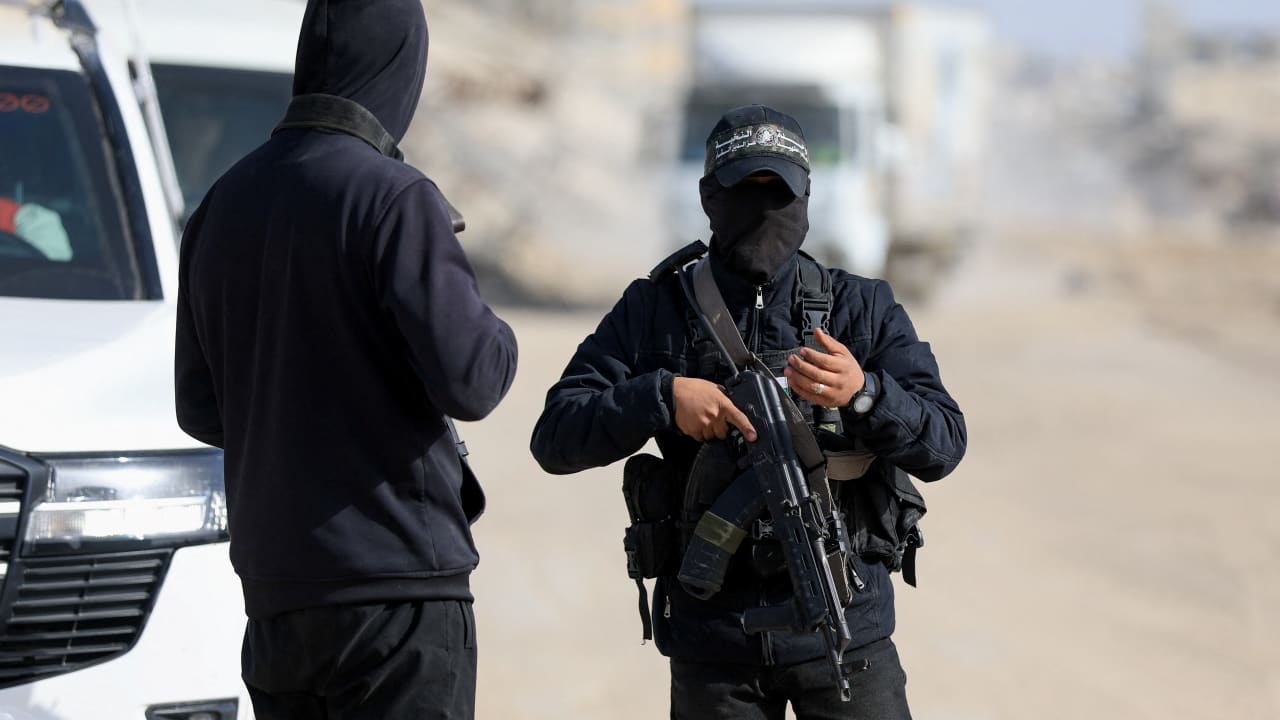
Security forces have maintained a heavy presence in public spaces, and families of victims face intimidation and obstacles in retrieving loved ones' bodies. As daily life resumes in some areas, the sense of watchfulness persists, with many hoping the world will not ignore the suffering and calls for change within Iran.