 image sourced from original article at
 The article argues that the most powerful tool against Iran’s ruling regime is not military hardware but the desire for freedom among its people. Drawing on the Cold War, it credits the deployment of American missiles in Europe and a broader military buildup with hastening the Soviet Union’s collapse, suggesting that strength combined with internal dissent proved decisive. However, it cautions that confronting Iran’s leadership may be more complex, particularly given ideological differences and the limits of deterrence.
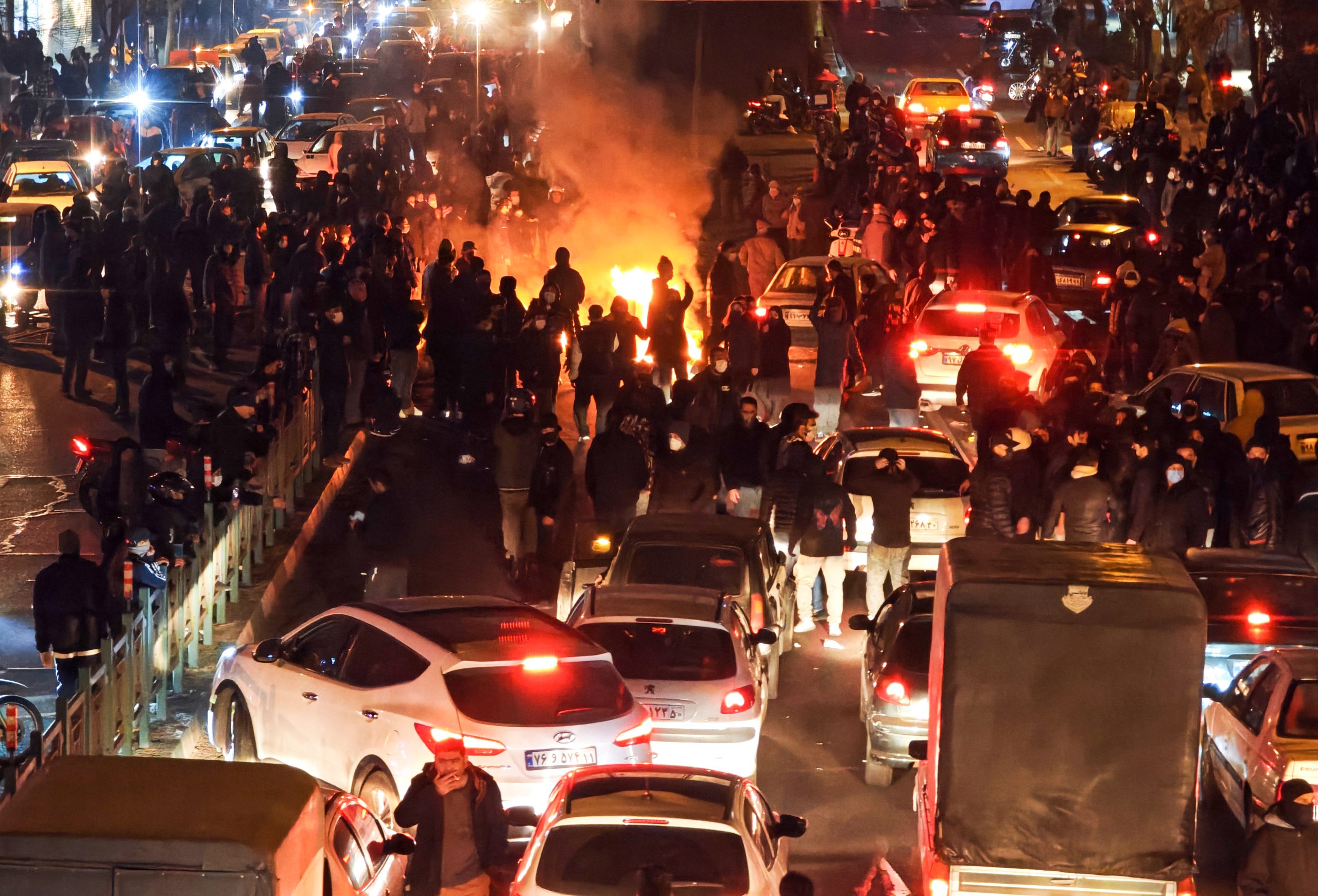
The piece contrasts past strategic successes with more recent setbacks, including the withdrawal from Afghanistan, which it says has made Americans wary of military intervention. It highlights President Donald Trump’s warnings to Iran’s leaders following reports that 32,000 protesters were killed, and notes the buildup of American forces around the country. Historical parallels are drawn to moments when uprisings were crushed, such as Hungary in 1956, underscoring the risks of inaction.
While acknowledging America’s advanced weaponry and Israel’s intelligence capabilities, the article contends that the decisive factor will be ordinary Iranians seeking liberty. It points to outreach efforts by the Central Intelligence Agency and statements from Trump expressing support for freedom. Ultimately, it suggests that if change comes to Iran, it will be driven less by missiles and more by the enduring human demand for ‘Azadi,’ or freedom.