 image sourced from original article at
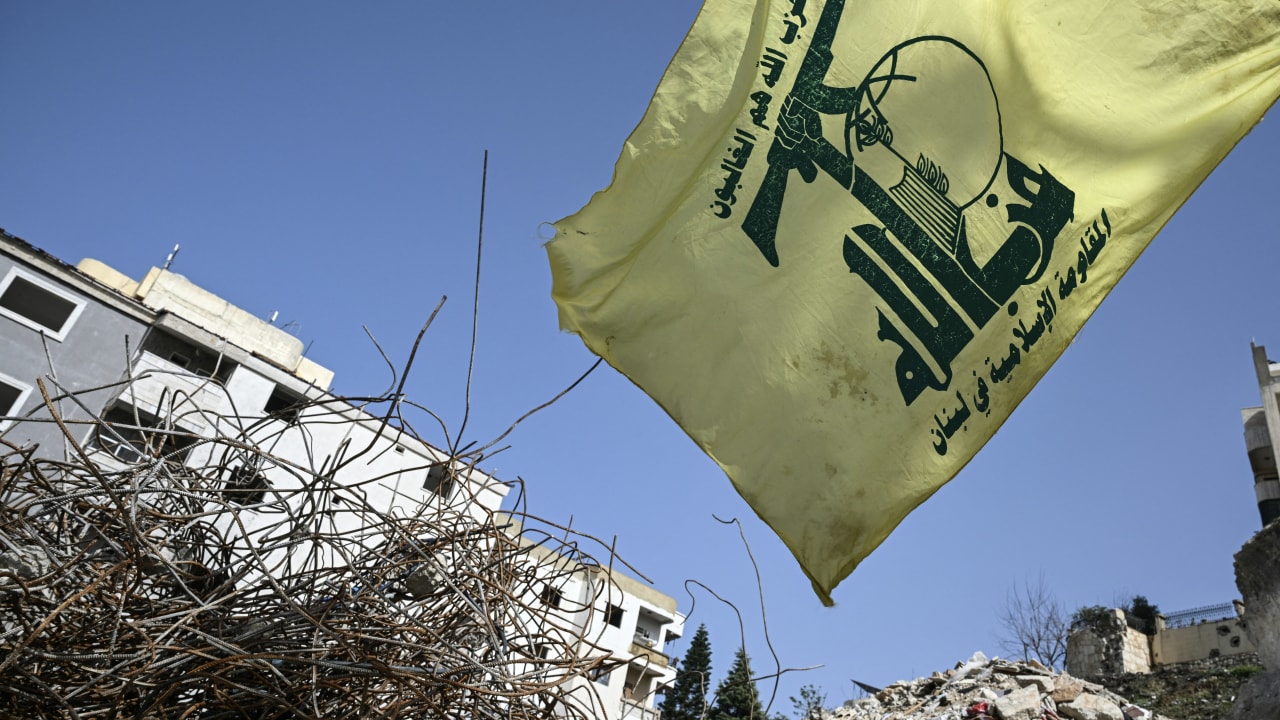
 Iran transferred more than $700 million to Hezbollah in 2025, funding rockets, drones, training, and logistics even as economic hardship deepens at home. The spending underscores Tehran’s long-standing strategy of prioritizing regional proxy forces and military expansion over domestic welfare, despite rising food insecurity, inflation, and medicine shortages inside Iran.
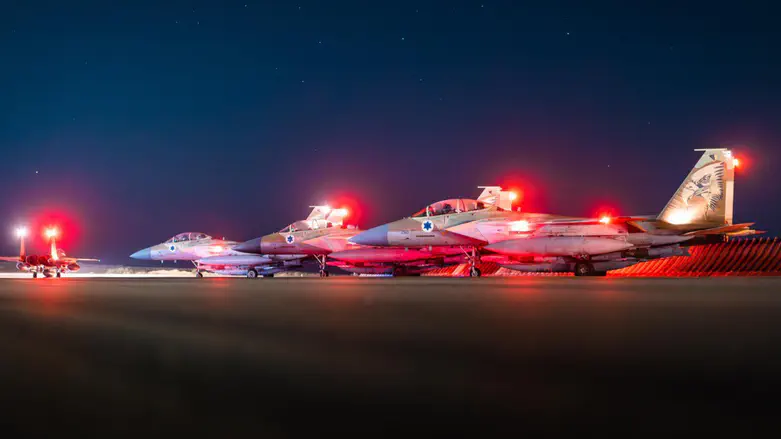
Alongside its financial backing of Hezbollah, Iran has built a ballistic missile arsenal of roughly 2,000 warheads and continues production. This strategy emphasizes volume to sustain prolonged pressure on Israel, complementing an advancing nuclear program that increases Tehran’s regional leverage without requiring a declared weapon.
Iran’s broader proxy network extends beyond Lebanon to militias in Iraq and forces in Yemen, enabling multi-front pressure on Israel while preserving plausible deniability. The scale of investment highlights that proxy warfare is central to Iran’s foreign policy doctrine rather than a secondary effort.
The economic burden of these policies falls heavily on ordinary Iranians, while Israelis face the security consequences through missile threats and regional instability. The article argues that both populations are paying the price for strategic decisions made by their leadership, as Iran’s military investments translate into mounting tensions and military responses across the region.