 image sourced from original article at
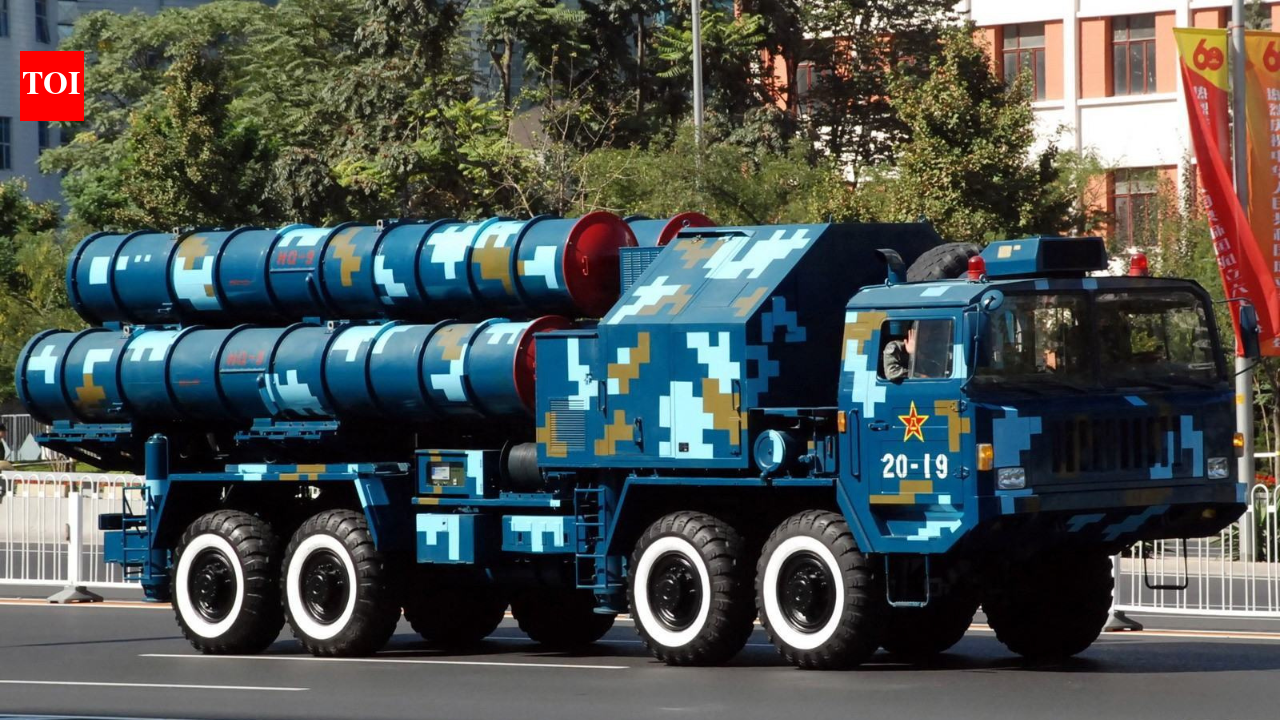
 Coordinated airstrikes by the United States and Israel have severely damaged Iran's military infrastructure, raising fresh doubts about the effectiveness of Tehran's air defence network. The system, which includes the Russian S300, China's HQ-9B surface-to-air missile system and the domestically developed Bavar-373, was unable to prevent sustained aerial attacks targeting key installations.
The performance of the Chinese HQ-9B has come under particular scrutiny, marking the second high-profile instance in which the system appeared ineffective against advanced air power. A similar failure was reported during Operation Sindoor, when Pakistan was unable to repel Indian airstrikes despite deploying the same Chinese defence platform.
Reports suggest that advanced stealth aircraft, precision-guided missiles and coordinated drone swarms overwhelmed Iranian defences. Radar installations and command networks were reportedly disabled early in the assault, disrupting communication between sensors and missile launchers. The HQ-9B, designed primarily for high-altitude threats, struggled to track low-observable aircraft and fast-moving, low-altitude missiles in a complex combat environment.