 image sourced from original article at
 Iran's Supreme National Security Council framed the Muscat talks as a battle of signals rather than substance, with Tehran seeking time and protection from military action while Washington sought a decisive agreement. Former supreme leader Ali Khamenei wanted to avoid war and secure economic relief, yet the system he built left him unable to deliver the concessions required to prevent conflict.
The first failure was structural. Khamenei designed a governing system in which no major decision could be made without him, and institutions such as the Revolutionary Guards were built to resist capitulation. When meaningful nuclear compromise became necessary for survival, the very architecture of power he created made surrender impossible.
The second and third failures were diplomatic. After Iranian officials signaled progress in talks, Khamenei undercut them with public threats, erasing their credibility. At the same time, negotiations with the United States moved through informal channels driven more by instinct than patient statecraft, leaving little room for ambiguity or incremental compromise.
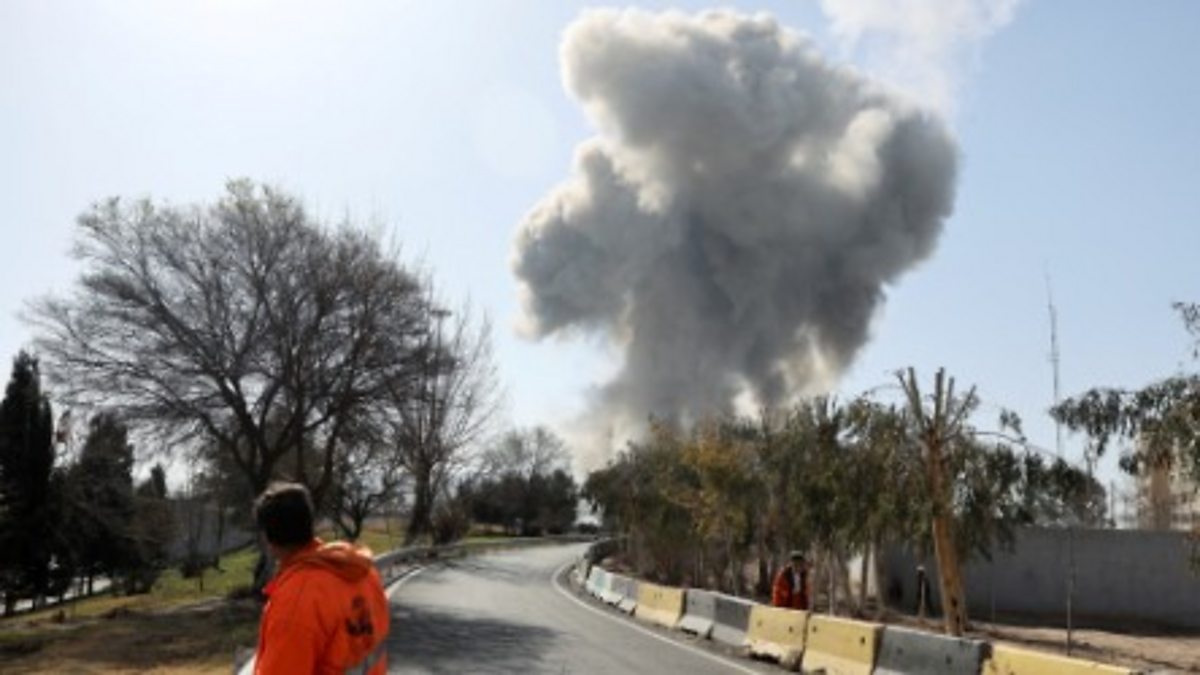
Finally, Khamenei misread President Donald Trump, assuming he would ultimately avoid war as previous presidents had done. Instead, strikes came without the prolonged maneuvering Tehran expected. The article argues that Khamenei's end was not ironic but structurally inevitable, the product of rigid ideology meeting a deal-driven White House, leaving Iran's people facing an uncertain future with no clear plan for what comes next.