 image sourced from original article at
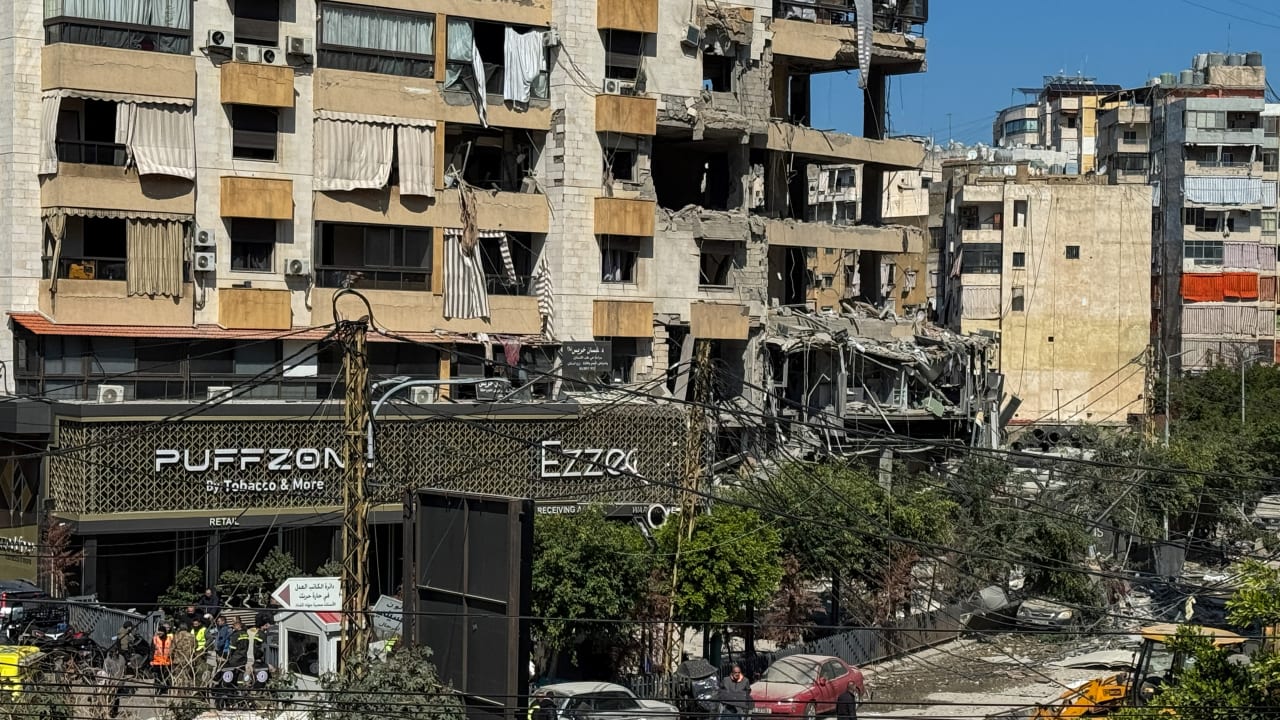
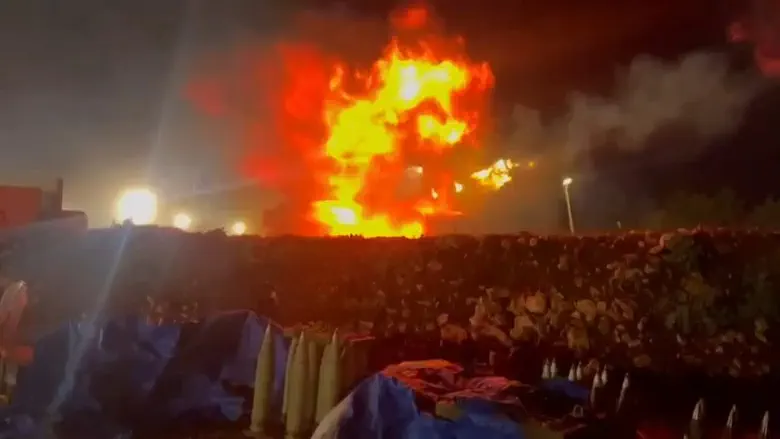
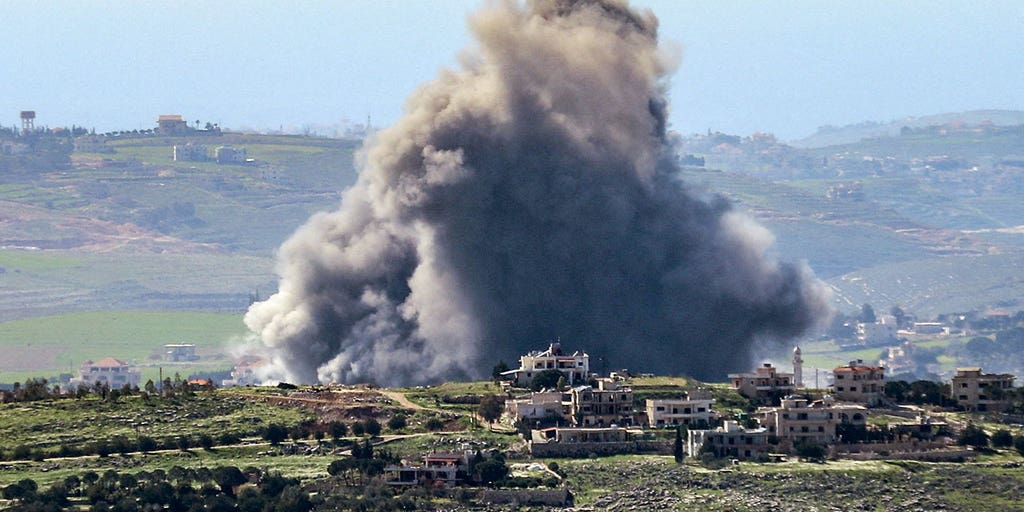
 Israel intensified airstrikes across Lebanon after Hezbollah launched rockets and drones into Israeli territory, marking the first major violation of a ceasefire reached in November 2024. Since the renewed hostilities began, Israel has carried out more than 200 strikes targeting Hezbollah's military, financial and media infrastructure, as well as affiliated operatives, while warning the group's leadership of further consequences.
Amid the escalation, analysts argue that the Trump administration should press Lebanon to fulfill prior commitments to disarm Hezbollah. Former United States Assistant Secretary of State David Schenker said Lebanon risks remaining a failed state if it does not assert sovereignty and dismantle the Iran-backed group, which he accused of dragging the country into repeated conflicts with Israel.
Lebanon's government has publicly called for Hezbollah's disarmament and ordered security agencies to prevent attacks on Israel from its territory, reflecting growing frustration in Beirut. However, experts note that similar pledges in the past have produced little change, as Hezbollah has long operated beyond meaningful state control.
Public anger inside Lebanon appears to be rising, with some citizens openly criticizing Hezbollah for risking another war. International leaders, including France's president, have urged restraint on all sides and called for urgent steps to prevent Lebanon from sliding deeper into conflict, as questions mount over whether Beirut will confront the powerful militia or continue to tolerate its actions.