 image sourced from original article at
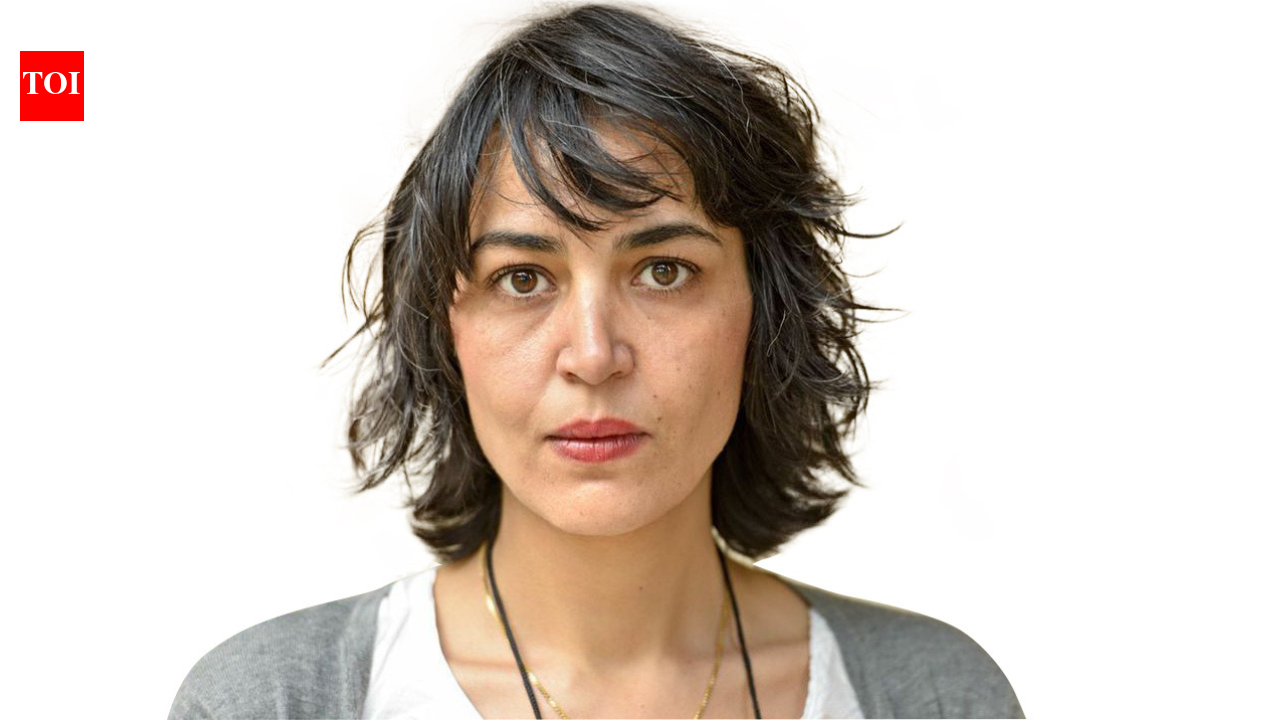
 Iranian photographer and filmmaker Azadeh Akhlaghi discusses her work reconstructing pivotal assassinations and suspicious deaths in Iran that were never photographed. She reflects on the reported assassination of Supreme Leader Ayatollah Ali Khamenei, noting the lack of publicly available evidence and the broader pattern of censorship despite the prevalence of cameras and social media. Akhlaghi argues that such moments become historical turning points and, if evidence remains hidden, could become subjects of her future reconstructions.
Addressing the idea of foreign-engineered regime change, Akhlaghi says Iran’s political transformation must come from within its own society. She points to a long history of internal struggles for reform and warns that external military intervention, as seen in countries such as Iraq, Afghanistan and Syria, often leads to prolonged instability and civil conflict.
From her home in New York, Akhlaghi describes limited communication with family and friends in Iran due to internet shutdowns and heavy bombardment. Civilians face daily fear without shelters or warning systems, while many struggle with displacement, trauma and disrupted medical care. As the country marks the New Year amid destruction, she fears the possibility of civil war or the continuation of authoritarian rule, expressing deep uncertainty about Iran’s future while acknowledging the resilience of its people.