 image sourced from original article at
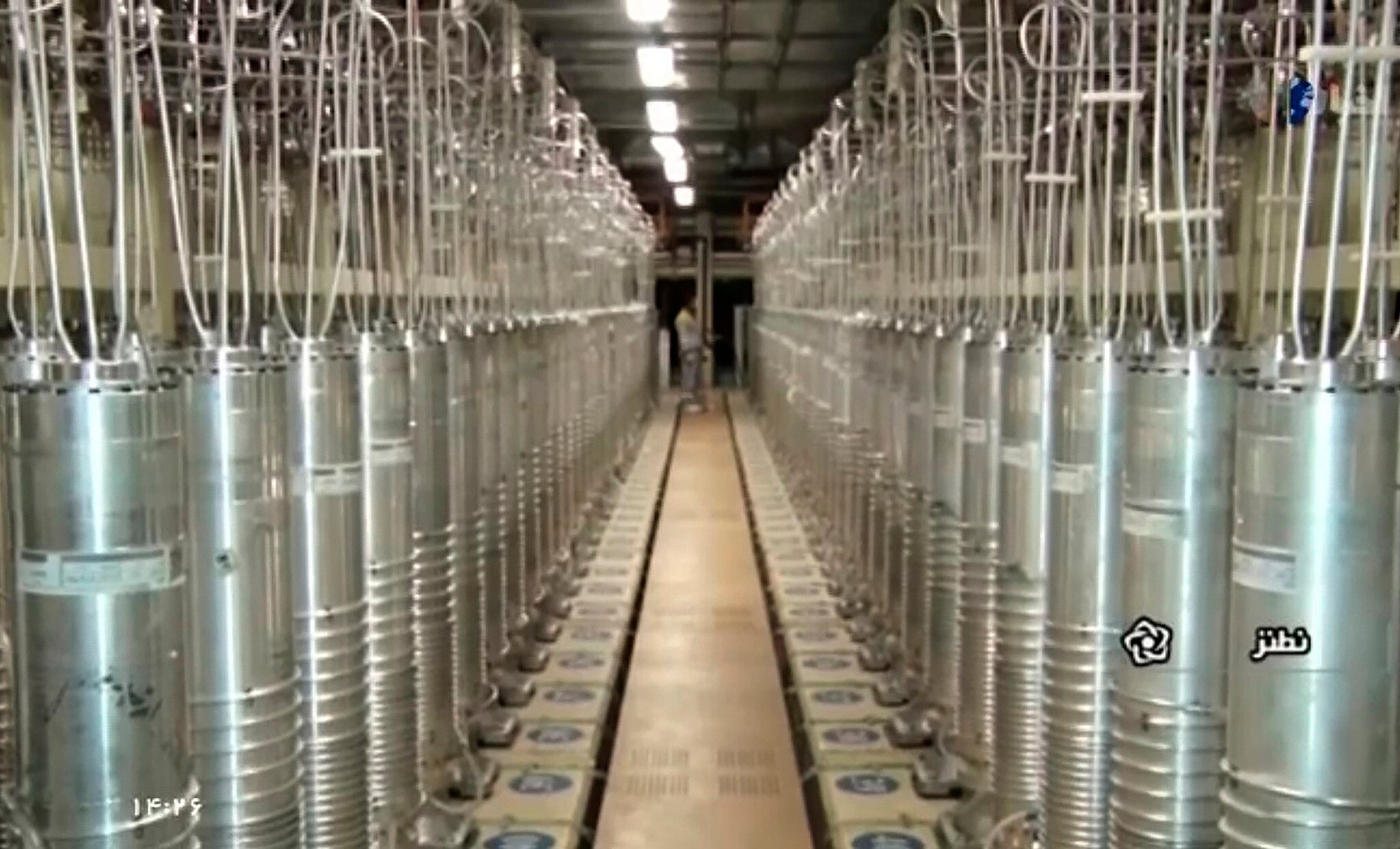
 As the war enters its fourth week, the focus has shifted to Iran's stockpile of uranium enriched to near weapons-grade levels, particularly at the Natanz facility. Recent American airstrikes targeted the deeply buried enrichment site, likely using bunker-busting munitions. Although Iranian authorities said no radioactive leak was detected, the extent of the damage remains unclear, and much attention is centered on roughly 450 kilograms of uranium enriched to 60 percent purity believed to be stored at the complex.
Inside Iran, power appears to have consolidated around hardline military leadership, with the Islamic Revolutionary Guard Corps exerting dominant influence. With the reported wounding of Mojtaba Khamenei, decision-making has shifted toward senior security figures, sidelining more moderate voices seeking diplomacy. Efforts by President Masoud Pezeshkian to engage international partners such as India in mediation efforts appear uncoordinated and have been overshadowed by continued regional attacks.
Leaders in Washington and Jerusalem have sent mixed signals about the duration of the conflict, but there is broad agreement that ending the war without neutralizing or removing the enriched uranium would leave a significant threat intact. Israeli officials suggest they have intelligence on the material's location, though details remain guarded. Analysts warn that if the current regime survives, it may accelerate efforts to achieve nuclear weapons capability, viewing such capacity as the ultimate deterrent against future attacks.