 image sourced from original article at
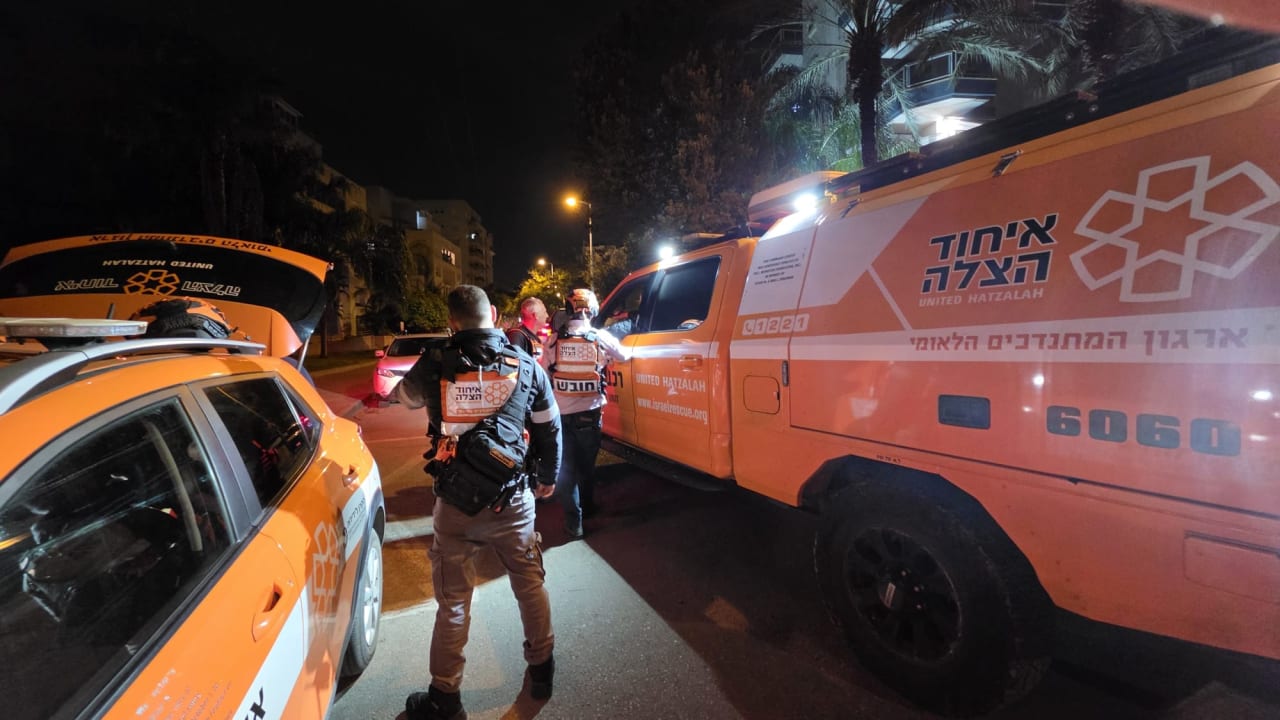
 In the most sensitive rooms of the current war, English has become the working language between Israeli and American officers, reflecting an unusually deep level of operational coordination. The author, born in the United States and now living in Israel, describes hearing from multiple officers that daily collaboration with their American counterparts involves constant contact, shared assessments, and blunt professional exchanges built on long-standing trust.
Recent reporting has indicated that Israel’s operations against Iran were coordinated with the United States, even as leaders in Washington and Jerusalem do not define every objective in identical terms. According to the author, such differences do not weaken the alliance but demonstrate its maturity, as shared interests and trust allow both sides to manage disagreements while continuing to operate closely together.
Senior figures in the administration of President Donald Trump, including the secretary of state and the defense secretary, are portrayed as playing active roles in supporting Israel’s campaign and regional diplomacy. The American ambassador to Israel described the military partnership as seamless and historically significant, echoing what officers from both countries are reportedly experiencing on the ground.
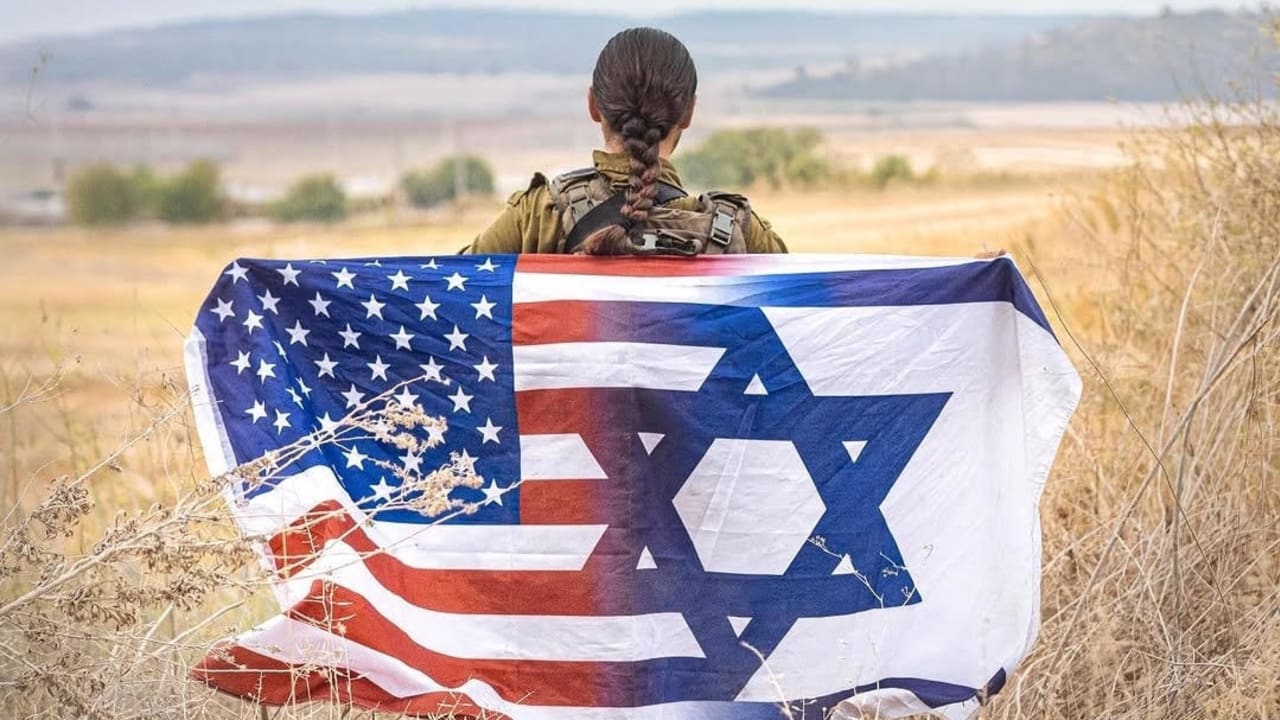
Drawing on the legacy of Supreme Court Justice Louis Brandeis, the author frames this moment as a realization of a long-held vision in which American Jewish identity and Zionism reinforce rather than contradict one another. Beyond political symbolism, the war is revealing a partnership that functions not merely as rhetoric but as a shared command structure built on habit, trust, and a common strategic language.