 image sourced from original article at
 Living under constant bombardment in Tehran has left civilians gripped by fear, with explosions echoing across the city day and night. Residential buildings, police stations and paramilitary facilities have been struck, but the toll on ordinary people is stark. Families described losing loved ones in missile strikes, and hospitals are filled with critically injured civilians, including young children caught in the blasts. The reality on the ground challenges the notion of precise targeting in a densely populated capital.
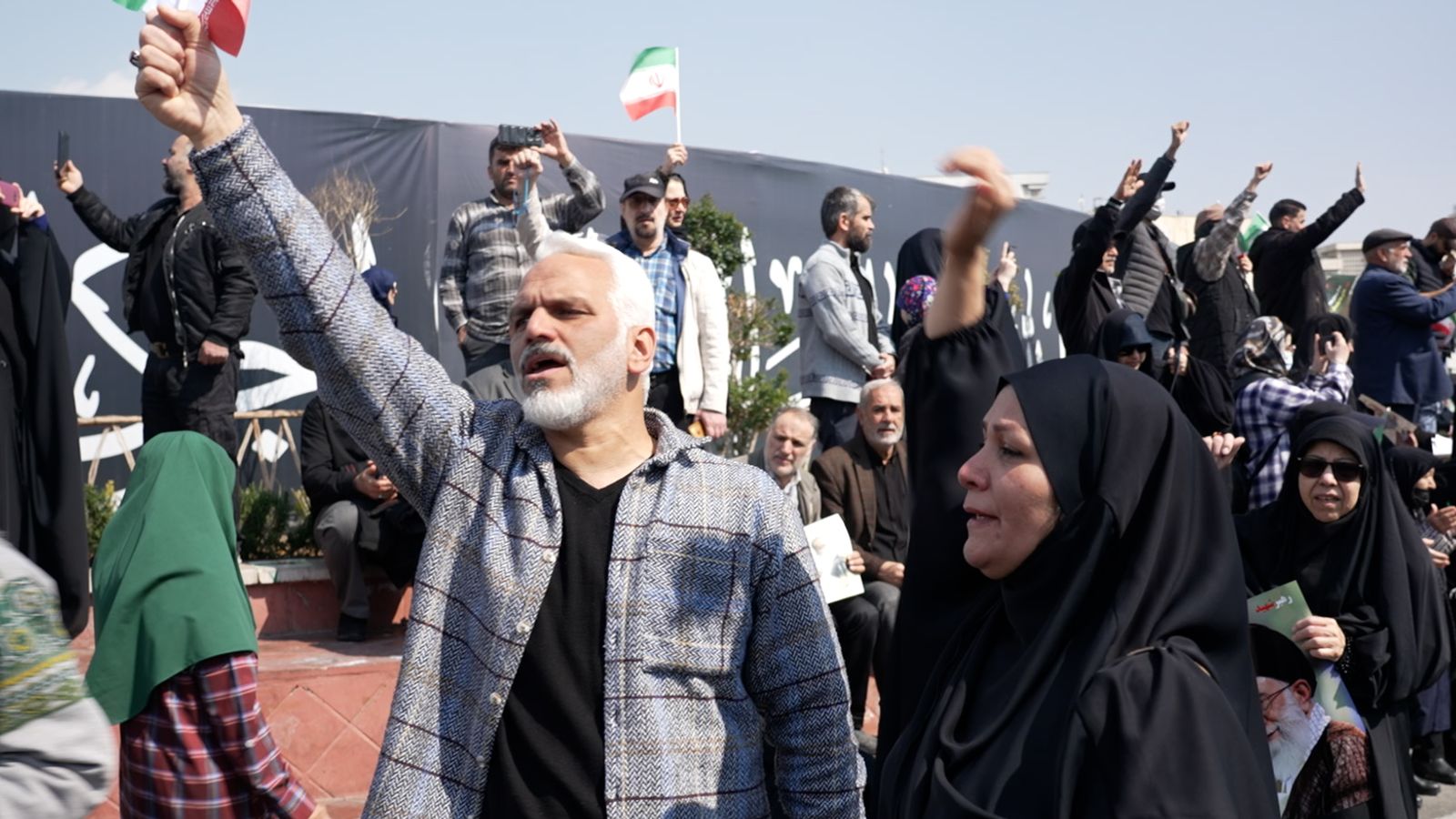
Despite previous unrest and a violent crackdown by security forces earlier this year, the current air campaign appears to be rallying many Iranians around their country. While some quietly express frustration with the authorities, others see the strikes on infrastructure such as gas fields as attacks on the nation itself. Large crowds at the funeral of a senior government figure underscored visible public support and a culture that venerates resistance and martyrdom.
Iran’s leadership, though battered, appears firmly in control and prepared for a prolonged conflict. The war environment has made dissent harder and strengthened official messaging of defiance. As the government signals its intention to endure, ordinary civilians face the prospect of weeks or months more of fear, instability and mounting casualties.