 image sourced from original article at
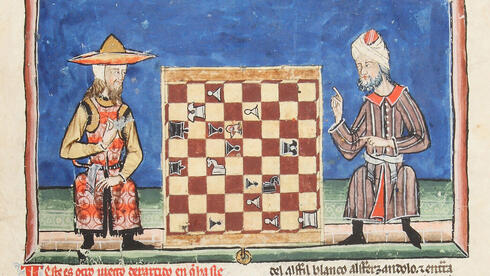
 A new study highlights how medieval chess culture often challenged racial hierarchies and stereotypes across different societies. Artwork from the period depicts Muslim, Jewish, and Mongol players competing respectfully, emphasizing intellectual rivalry rather than violence. In contrast to some European portrayals that associated certain groups with sin or brutality, these scenes present chess as a shared and civil exchange.
Research by Dr. Krisztina Ilko of the University of Cambridge, published in the journal Speculum, found widespread international evidence that chess was viewed as 'war without bloodshed' and as a symbol of a just world. According to Ilko, the game created opportunities for people from vastly different regions and civilizations to engage in meaningful intellectual interaction, helping to undermine rigid racial structures in the Middle Ages.