 image sourced from original article at
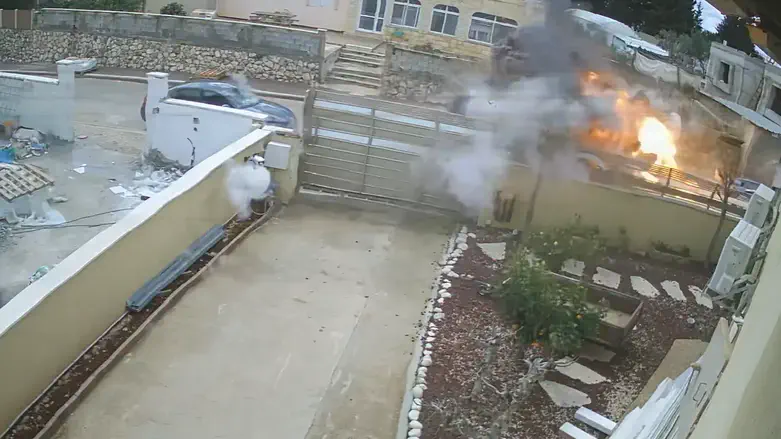
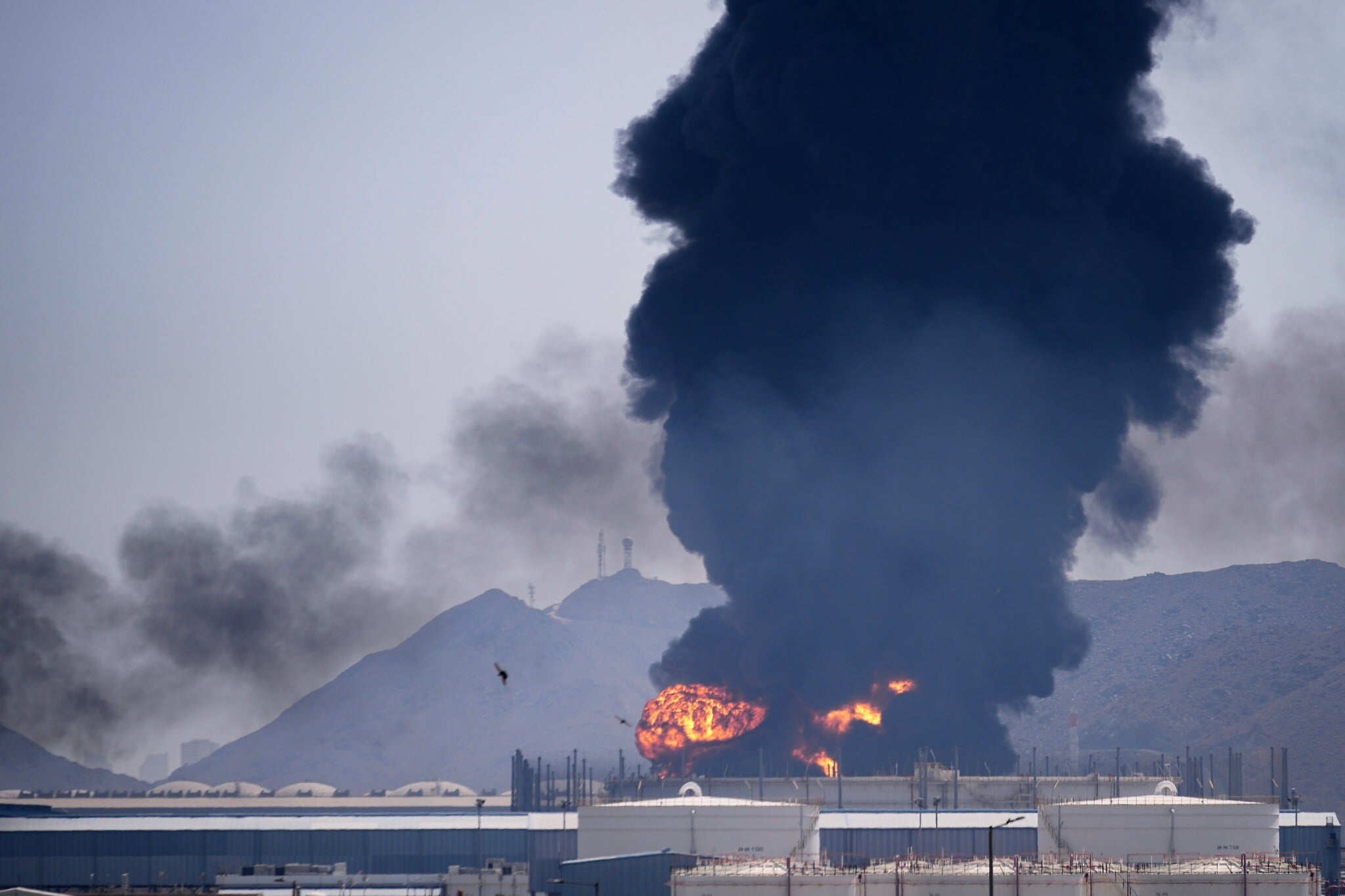
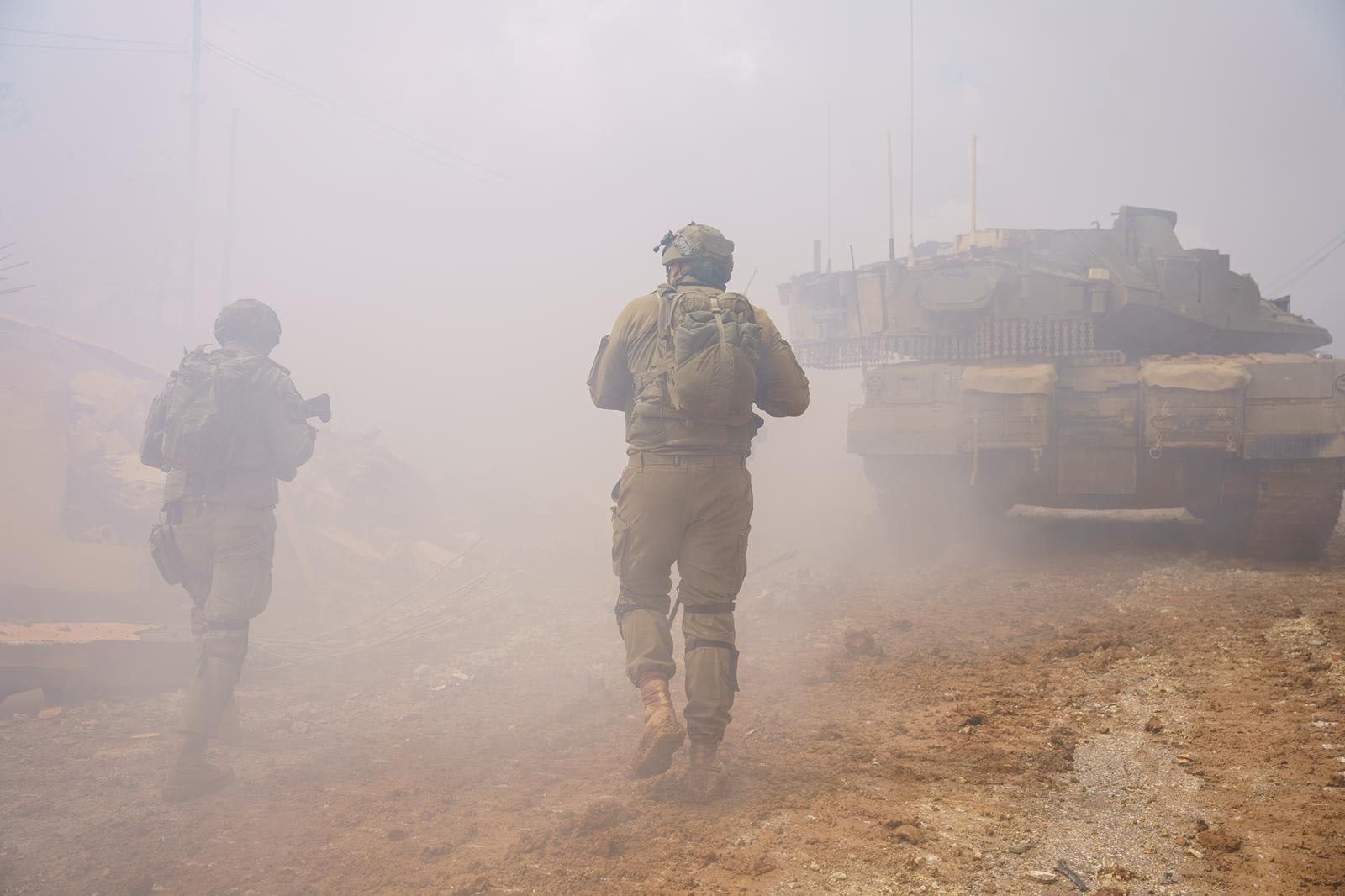
 Israel is moving toward establishing a new security zone in southern Lebanon as fighting with Hezbollah intensifies, raising fears of a return to the long and painful occupation it ended in 2000. Prime Minister Benjamin Netanyahu has ordered an expansion of the current buffer area, arguing it is necessary to prevent cross-border attacks and push anti-tank fire away from Israeli communities. The move follows renewed hostilities after Hezbollah resumed rocket fire and Israel responded with expanded ground operations.
Israel’s previous security zone in Lebanon, maintained from the early 1980s until 2000, gradually deepened into an 18-year entanglement that cost hundreds of Israeli lives. What began as limited support for local militias evolved into a sustained military presence as Hezbollah emerged and intensified attacks. Critics warn that even a limited troop deployment can expand over time, creating vulnerable supply lines and fixed positions that become targets.
Supporters argue that controlling territory up to the Litani River would better shield northern Israel from immediate border threats. However, analysts caution that rockets can still strike from deeper בתוך Lebanon and that a renewed occupation could revive Hezbollah’s domestic legitimacy at a time when it is politically weakened. Other proposed strategies include pressuring the Lebanese government to disarm Hezbollah or launching a decisive campaign aimed at crippling the group without holding territory.
For many Israelis, the trauma of past wars and the shock of the October 7 attack have reduced confidence in relying on diplomatic guarantees. Yet history suggests that reentering Lebanon, even with limited aims, risks repeating a cycle that proved difficult to end. The question facing Israel’s leaders is not only how to push Hezbollah away from the border, but how to avoid becoming stuck once again in what was once called the Lebanese mud.