 image sourced from original article at
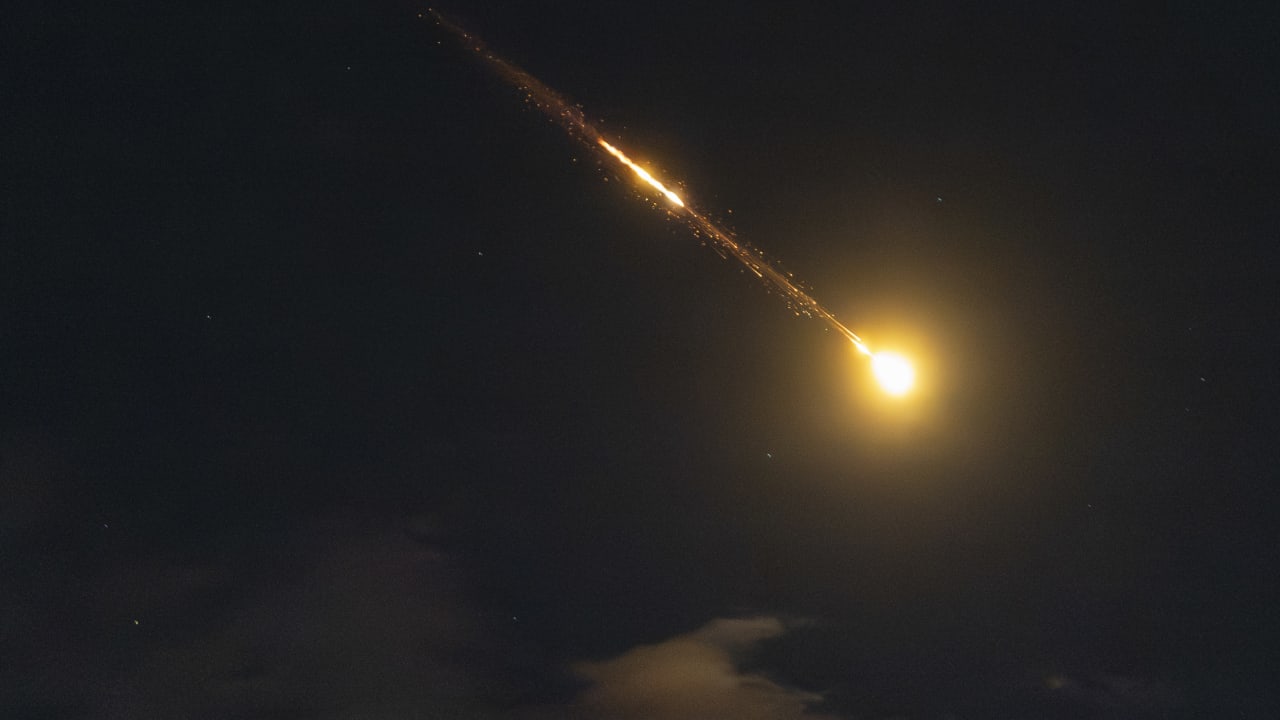
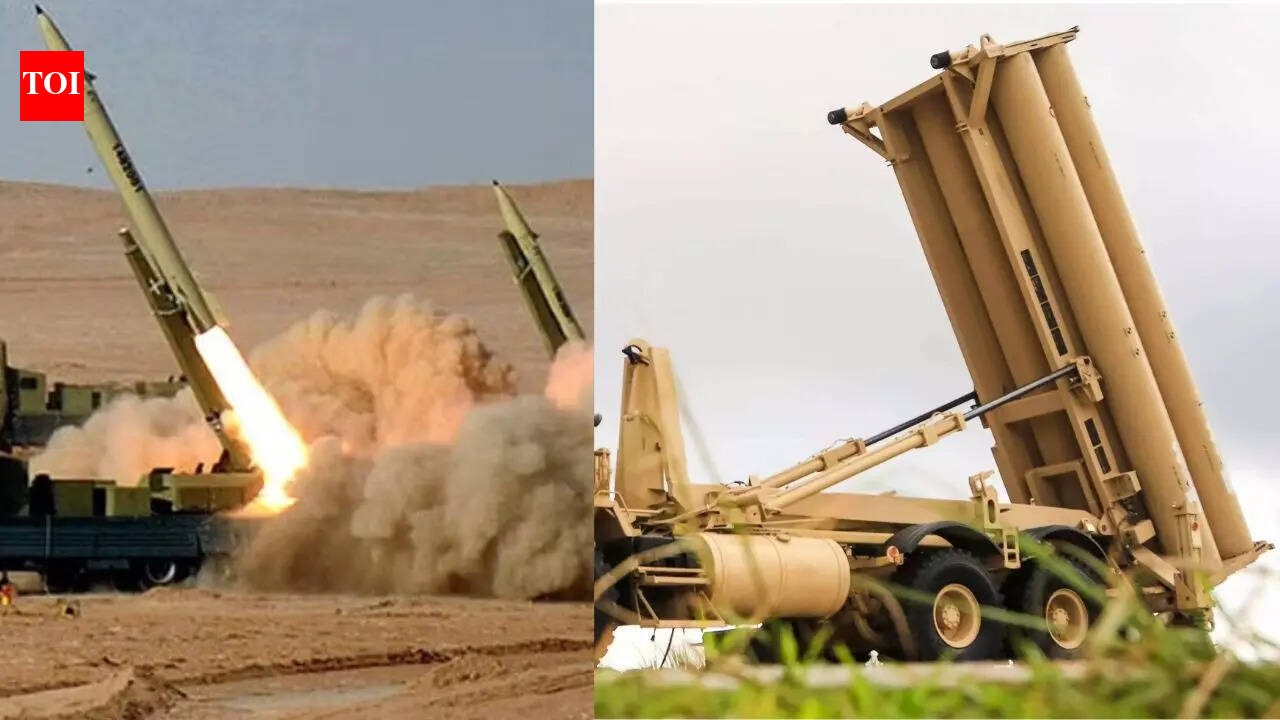
 The conflict between the United States and Israel on one side and Iran on the other has intensified over more than a month, marked by coordinated strikes and retaliatory missile attacks. Iran has relied heavily on short- and medium-range ballistic missiles, which travel in three phases: boost, midcourse, and terminal, before striking their targets. These missiles can carry either conventional or nuclear warheads and are a central component of Tehran’s military response.
To counter these threats, the United States has deployed the Terminal High Altitude Area Defense system, a high-altitude missile shield designed to intercept ballistic missiles in their final phase of flight. Developed by Lockheed Martin, the system uses hit-to-kill interceptor missiles and is supported by advanced radar and fire control units. Each battery includes multiple launchers and dozens of interceptors, operated by specialized personnel.
During the current operation, the defence system has reportedly intercepted more than 90 percent of incoming missiles and drones in areas including the United Arab Emirates, working alongside other air defence platforms. However, Iran claims it has successfully targeted several of these batteries, and concerns are growing that the heavy use of interceptors may be depleting available stockpiles, raising questions about sustainability if hostilities continue.