 image sourced from original article at
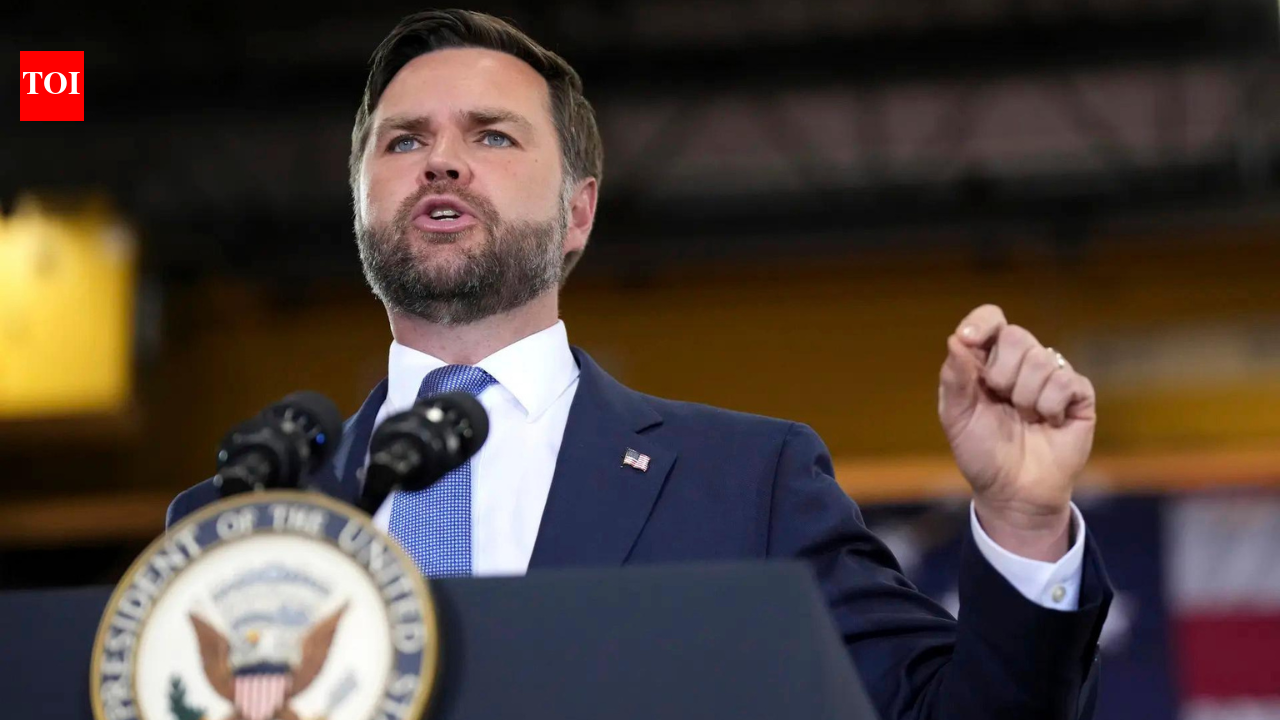
 United States Vice President JD Vance is set to arrive in Pakistan for high-stakes talks aimed at containing a widening conflict with Iran and salvaging strategic gains from a war critics say was won militarily but mishandled diplomatically. While the administration projects optimism about reaching a broader settlement, analysts argue that Tehran remains defiant despite heavy military pressure, leaving Washington struggling to convert battlefield success into lasting political advantage.
Ahead of the այց, Vance struck a cautious yet firm tone, signaling openness to negotiations if Iran acts in good faith while warning against attempts to stall or manipulate talks. President Donald Trump described the situation as a powerful global reset and voiced confidence in achieving a deal, but Iran has imposed conditions for negotiations, including a ceasefire in Lebanon and the release of blocked financial assets, demands Washington has not accepted.
Tensions also persist in the Strait of Hormuz, where Iran’s reported efforts to demand payments from passing vessels have raised alarms over global commerce and freedom of navigation. At the same time, domestic political pressures are shaping the diplomatic push, as growing wariness of prolonged conflict spans both conservative and progressive constituencies. Vance, long skeptical of extended military engagements, now finds himself at the center of efforts to define the political endgame of a conflict whose resolution remains uncertain.