
 image sourced from original article at
 Tel Aviv, once known for its nonstop nightlife, fell eerily silent as sirens and security threats pushed daily life underground. As streets emptied at sunset, residents sought shelter in protected spaces such as the central bus station, Dizengoff Center and Habima Theater, where makeshift communities began to form.
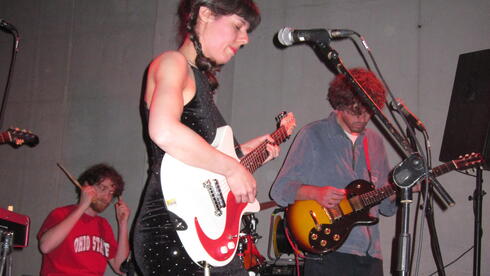
In the face of disruption, the city's creative spirit adapted. On the lower levels of Gan Ha'ir, beneath low ceilings and exposed pipes, underground stages hosted performances that transformed basements into vibrant cultural hubs. Music and art persisted despite the tense atmosphere above ground.
Major cultural institutions also shifted below the surface. The Tel Aviv Museum presented artworks from its protected storage areas, while rehearsal rooms beneath the Recanati Auditorium displayed selections from the exhibition End of Day: 100 Years of the New Objectivity Movement. In wartime conditions, Tel Aviv's underground became an unexpected center of artistic resilience and communal life.