
 image sourced from original article at
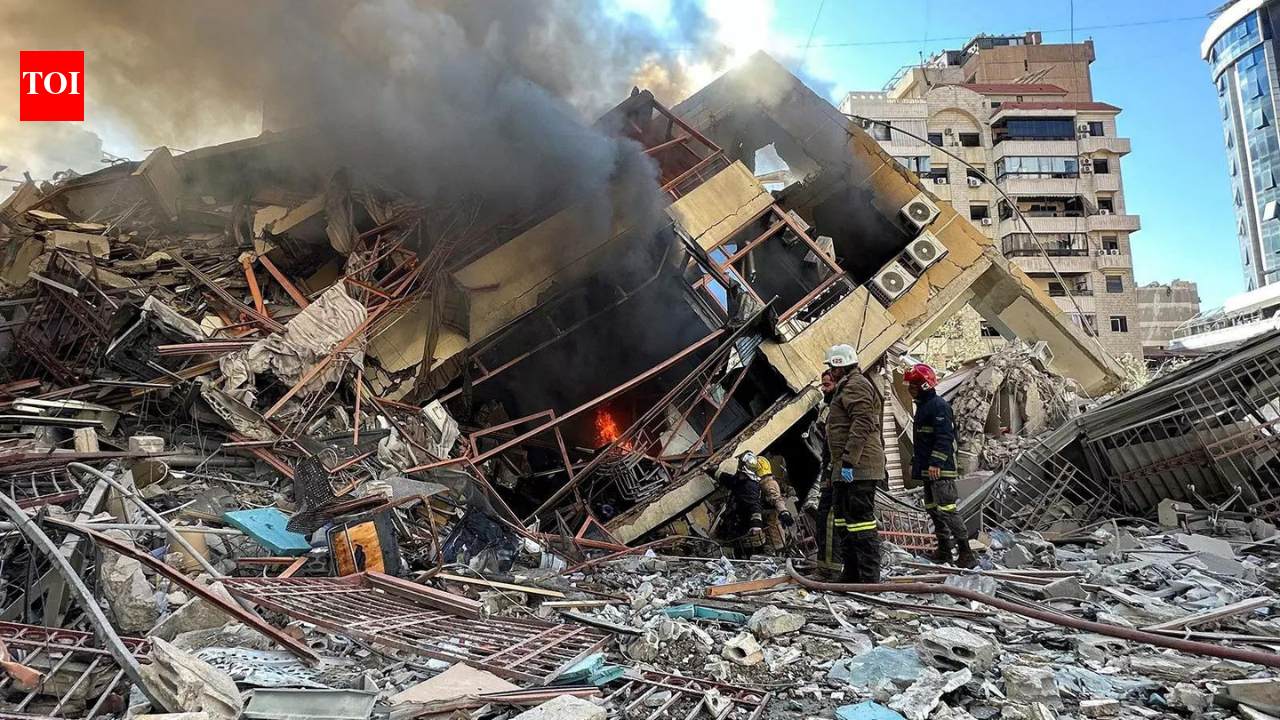
 Finance leaders gathering in Washington face mounting concerns that the Middle East conflict will further weaken the global economy, prompting the International Monetary Fund and the World Bank to cut growth forecasts and raise inflation projections. The war is seen as a third major shock after the pandemic and Russia’s invasion of Ukraine, disrupting energy supplies and trade flows at a time when recovery was already fragile.
Emerging markets and developing economies are expected to be hit hardest, with slower growth and higher inflation driven by rising energy costs and supply chain disruptions. Food insecurity could worsen significantly if fertiliser shortages persist, while public debt remains elevated and fiscal space limited. Economists have urged governments to avoid broad spending measures that could fuel inflation, instead recommending targeted and temporary support.
The crisis is unfolding amid geopolitical tensions and weakened global coordination, complicating efforts to respond collectively. International financial institutions are preparing emergency funding and debt support, but analysts warn that many vulnerable countries already face high debt burdens and limited reserves. Experts say reforms and accelerated debt restructuring will be crucial to prevent a prolonged debt and low growth trap.