 image sourced from original article at
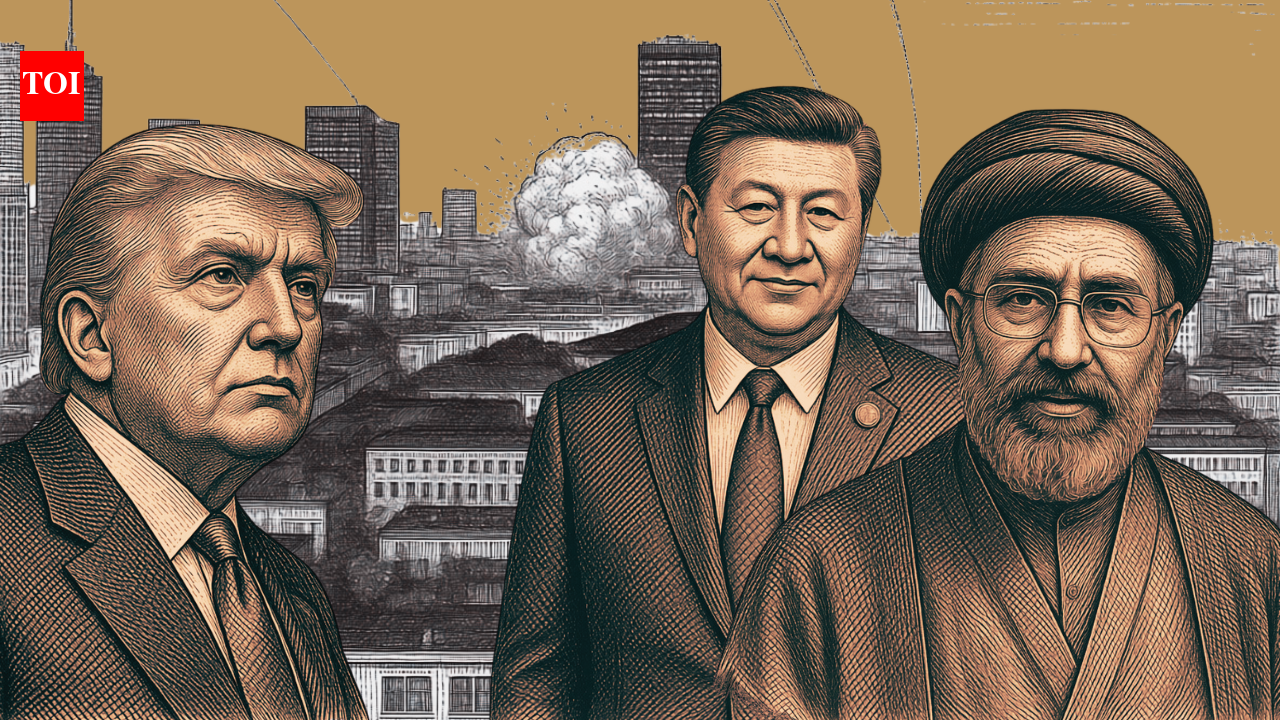
 China and Iran are increasingly leveraging global supply chains and strategic chokepoints to counter the United States, signalling a shift in the balance of economic power. A report by The Washington Post argues that Washington is no longer the only nation capable of weaponising trade routes and critical resources, as rivals exploit vulnerabilities built into the globalised system.
China restricted exports of rare earth minerals essential to civilian and military technologies in response to United States tariffs, catching the administration off guard. Iran, meanwhile, tightened control over the Strait of Hormuz, disrupting oil flows and driving up global energy prices during a six week conflict involving the United States and Israel. The resulting spike in fuel costs rippled through supply chains, raising prices for goods ranging from fertiliser and plastics to food products.
Experts say these developments reflect a structural transformation of the global economy, where interdependence is increasingly seen as a liability rather than a safeguard. In response, major economies are investing in domestic production and diversifying supply chains to reduce exposure to geopolitical rivals, marking what analysts describe as an irreversible shift toward a more fragmented and competitive economic order.