 image sourced from original article at
 The United States is moving to reopen the Strait of Hormuz after Iran reportedly laid naval mines and threatened commercial shipping in one of the world’s most vital oil transit routes. The confrontation comes amid an escalating standoff that has included a United States naval blockade of Iranian ports and attacks on commercial vessels. President Donald Trump has warned Tehran against further escalation and pledged to keep the waterway open.
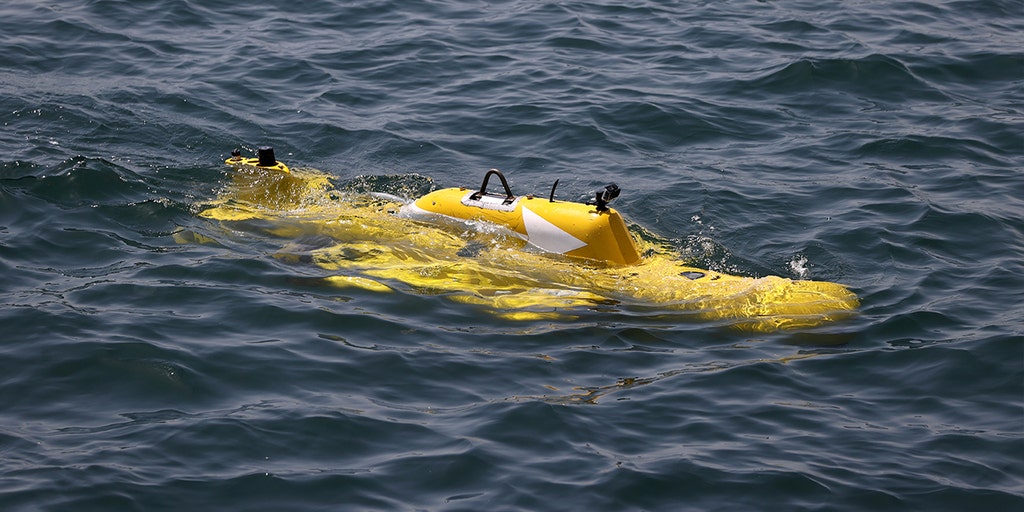
The effort is complicated by the Navy’s recent retirement of most of its dedicated minesweeping ships in the Middle East. With many legacy vessels no longer stationed in the region, the military is relying on a mix of remaining ships and newer unmanned underwater and surface drones to detect and neutralize mines. Some ships are being redeployed from other regions as preparations intensify.
Mine clearing is a slow and methodical process that begins with unmanned systems scanning the seabed using sonar before remotely operated devices disable identified mines. Analysts say identifying threats could take weeks, while fully clearing and securing shipping lanes could take months. Officials caution that timelines remain uncertain, particularly as forces work to verify the presence and extent of any mines in the strait.