 image sourced from original article at
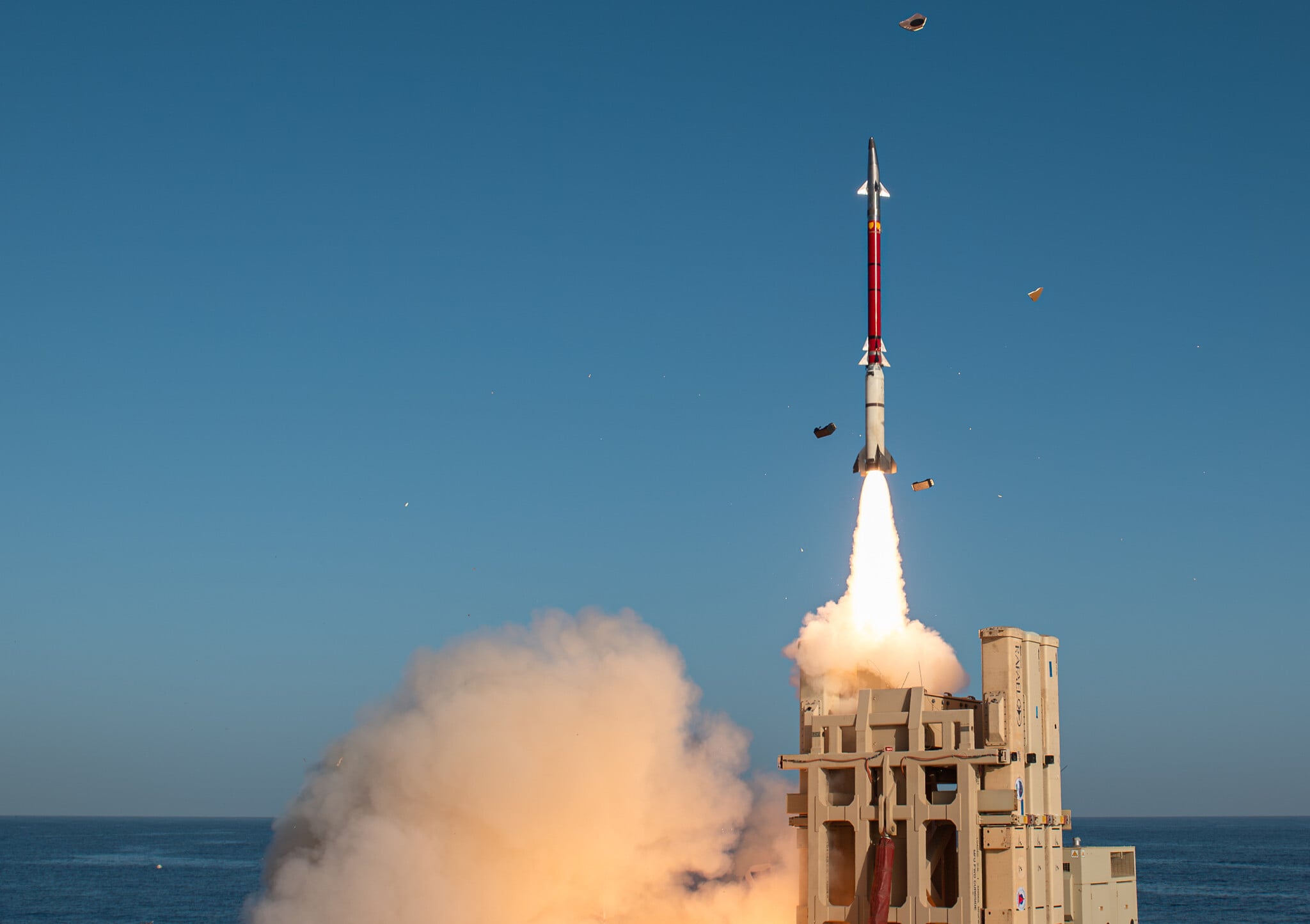
 An investigation by Channel 12 reports that Prime Minister Benjamin Netanyahu's government repeatedly declined to increase funding for interceptor missiles in the years leading up to and following major Iranian ballistic missile attacks in 2024. Despite Iran producing missiles at a far higher rate than Israel manufactured interceptors, production levels for systems such as the Arrow 3 reportedly remained largely unchanged.
In 2024, Iran launched hundreds of ballistic missiles at Israel in two separate attacks, exposing limits in Israel's stockpile of long-range interceptors. A special defense budget committee recommended boosting Arrow 3 production, but the proposal was not implemented. A senior defense official described the lack of action as 'crazy,' noting that even after large-scale attacks, no emergency discussions were held to significantly expand manufacturing.
Some government officials reportedly favored offensive action against Iran over increased investment in missile defense. During the 12-day war in June 2025 and subsequent fighting that ended on April 8, roughly 650 ballistic missiles were fired at Israel, causing deaths and widespread damage. Although a deal was signed in December 2025 to expand interceptor production, the report states that no immediate additional steps were taken to significantly grow the stockpile during the recent conflicts.