
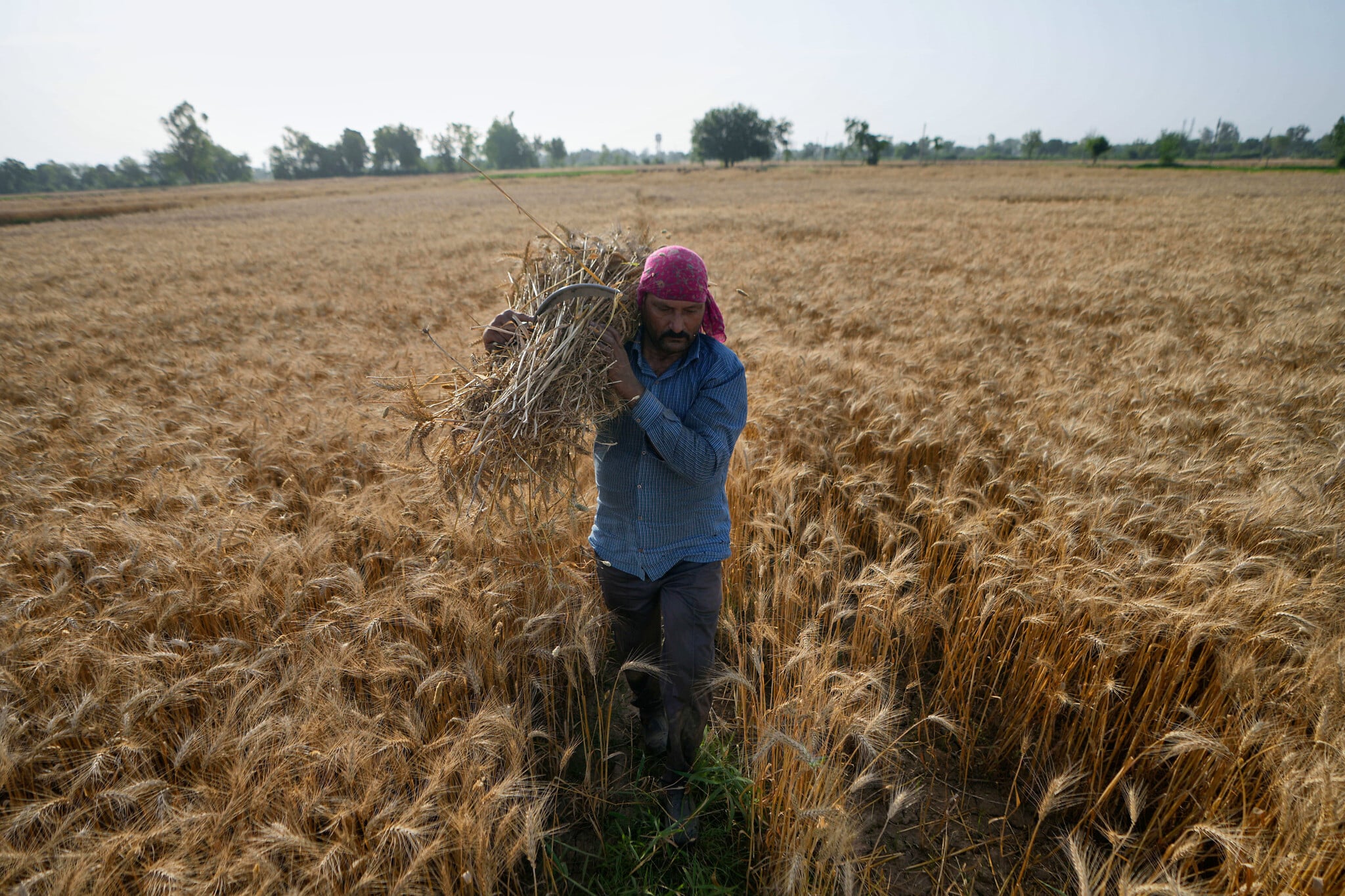
 image sourced from original article at
 Farmers worldwide are facing a sharp rise in fertilizer prices as conflict involving Iran disrupts supplies from the Middle East, a key production and export hub. Shipments through the Strait of Hormuz have stalled, halting exports of urea, sulphur and ammonia and removing a significant share of globally traded fertilizer from the market. Analysts say the supply crunch appears steeper than during the 2022 war in Ukraine.
Unlike the previous crisis, growers now have less financial cushion. Grain prices have fallen from recent highs, leaving farmers struggling to absorb soaring input costs. Nitrogen based fertilizers such as urea are critical for crop yields and quality, and reduced application rates could directly lower harvest volumes.
While some countries are still securing supplies at elevated prices, many farmers are expected to cut fertilizer use, switch crops or reduce planted areas. Early signs include lower wheat planting intentions in Australia, shifts away from input intensive crops in Europe and Brazil, and concerns over palm oil yields in Southeast Asia.
Although strong existing grain stocks may limit immediate food supply disruptions, agricultural forecasters are already trimming harvest outlooks. Prolonged fertilizer shortages could weigh heavily on the 2027 harvest season, raising renewed concerns about global food security, particularly in vulnerable developing regions.