 image sourced from original article at
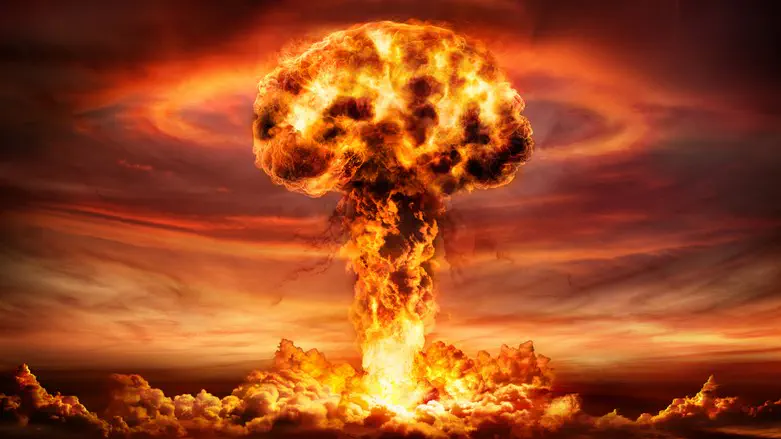
 The article argues that modern democracies often prioritize short-term economic concerns over long-term strategic threats, using the debate over Iran’s nuclear ambitions as a central example. It contends that political actors and media narratives frequently downplay distant risks because addressing them requires immediate sacrifice, which can be politically costly. As a result, the public becomes conditioned to discount serious threats if they are framed as exaggerated or avoidable.
According to the piece, this dynamic creates a structural weakness in democratic systems. Preventive action carries visible costs, while successful prevention leaves no tangible proof of success. By the time a strategic threat becomes undeniable, the opportunity for low-cost prevention has passed, leaving only more dangerous and expensive options.
The article contrasts this with authoritarian regimes, which it says can endure economic hardship and long timelines without facing electoral consequences. It also highlights Israel as an example of a society that treats existential threats as a shared national concern rather than a partisan issue, arguing that such a mindset enables earlier and more consistent action.
Ultimately, the piece warns that when voters reject modest costs today, they may face far greater consequences tomorrow, as strategic threats do not operate on election cycles and cannot be managed indefinitely through political delay.