 image sourced from original article at
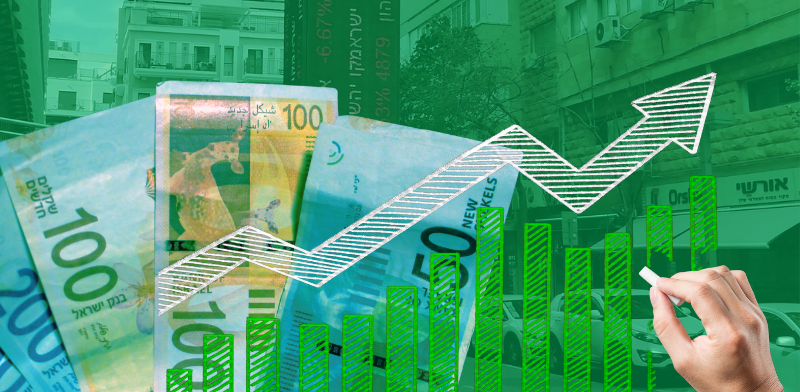
 The Israeli shekel strengthened to near 2.90 against the United States dollar, reaching its strongest level since 1993 after gaining more than 8 percent since the start of 2026. It has also appreciated significantly against the euro. Industrial leaders are urging the Bank of Israel to cut interest rates to ease pressure on exporters, but economists note that a strong shekel helps curb inflation and lowers import costs.
Recent data show that major institutional investors, including pension and insurance funds, have continued selling large amounts of foreign currency, contributing to the currency’s rise. At the same time, foreign residents have increased their foreign currency purchases in Israel, though this has not halted the shekel’s appreciation. Analysts say exchange rate movements are being driven more by capital flows and market performance than by any assessment of the shekel’s fundamental value.
The currency has also been influenced by changes in Israel’s risk premium since the outbreak of war in 2023, with periods of reduced security tensions strengthening the shekel. Despite calls for intervention, the Bank of Israel is not expected to step into the foreign exchange market, partly due to international sensitivities around currency manipulation and because inflation remains within its target range.
Broader economic pressures, including rising government debt and high war-related spending, are also shaping monetary policy decisions. With a tight labor market and strong wage growth, the central bank appears cautious about further rate cuts, viewing the strong shekel as only one factor among many in determining policy.