 image sourced from original article at
 The new biopic Michael spotlights a pivotal moment in Michael Jackson's rise to global superstardom, portraying record executive Walter Yetnikoff as the force who pressured Music Television to air the video for 'Billie Jean' in 1983. In the film, Yetnikoff threatens to pull all artists from Columbia Broadcasting System Records unless the channel puts Jackson’s video into heavy rotation, confronting what the movie depicts as racial exclusion of Black artists. The scene positions Yetnikoff as a fierce advocate who helped break a major barrier in music television.
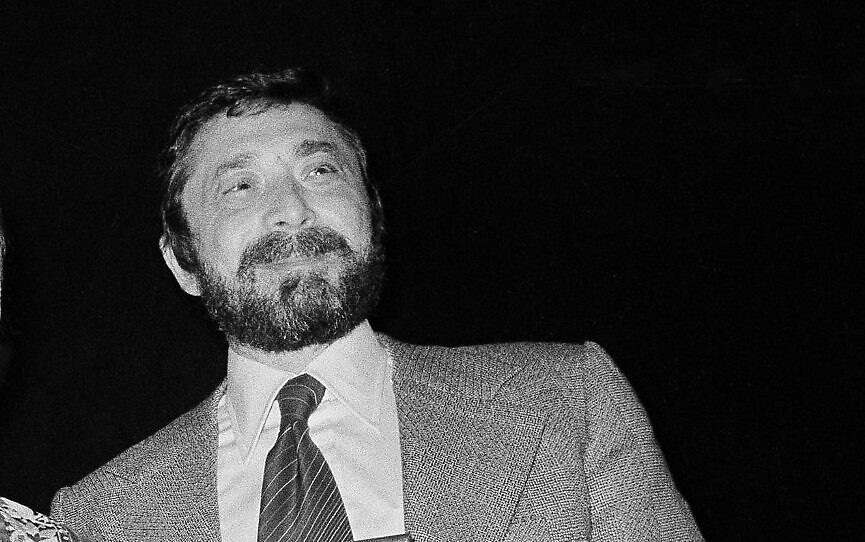
Yetnikoff, born to a Jewish family in New York, led Columbia Broadcasting System Records during a transformative era in the music industry. Known for his volatile temper and outspoken Brooklyn persona, he built a reputation as a relentless champion for his artists, including Jackson, Billy Joel and Bruce Springsteen. In his memoir, he claimed he angrily confronted Music Television over its refusal to air Jackson’s videos, arguing that the network’s format excluded Black musicians.
While Jackson’s estate credits Yetnikoff with helping dismantle racial barriers at the channel, some former Music Television executives dispute the dramatic account, calling it exaggerated folklore. Other artists, including Rick James and David Bowie, also publicly challenged the network’s limited promotion of Black performers during the same period. Though the exact details remain debated, the episode underscores longstanding tensions over race, genre labeling and access in the music industry — and revives Yetnikoff’s legacy as a brash, complicated power broker who may have played a key role in reshaping pop culture.