
 image sourced from original article at
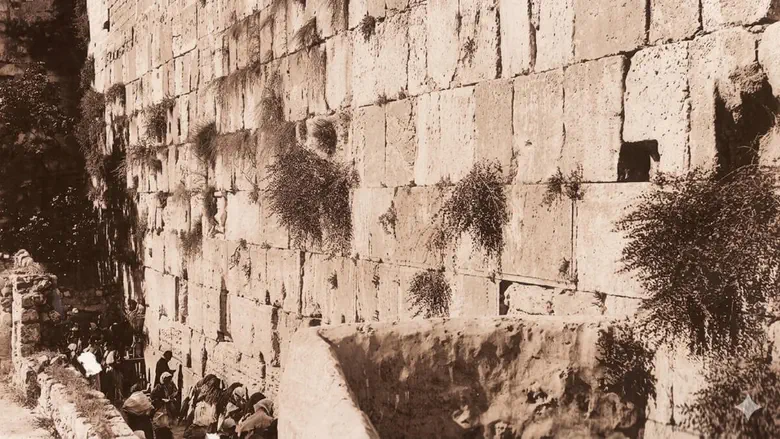
 Rav Tzvi Yehudah Kook’s 1937 article 'Behind our Wall' reflects on the deeper meaning of the Kotel, drawing from Song of Songs to describe the Divine presence that stands eternally behind it. He strongly objected to the term 'Wailing Wall,' arguing that it reduces the site to a symbol of grief and helplessness rather than recognizing its enduring spiritual strength.
Instead, he advocated for the name Kotel HaMa'aravi, or Western Wall, emphasizing its status as a sacred remnant of the Second Temple and the closest wall to the Holy of Holies. According to ancient tradition, the Divine Presence has never departed from this wall, underscoring its unique sanctity.
Rav Tzvi Yehudah portrayed the Kotel as a symbol of Israel’s eternal nature. Despite destruction, exile, and centuries of hardship, its stones stand firm and dignified, bearing witness to history and testifying to the unbreakable bond between the Jewish people and their land. Though once mistakenly attributed to his father, the article was later correctly included in his collected writings and went on to inspire a popular song decades later.