
 image sourced from original article at
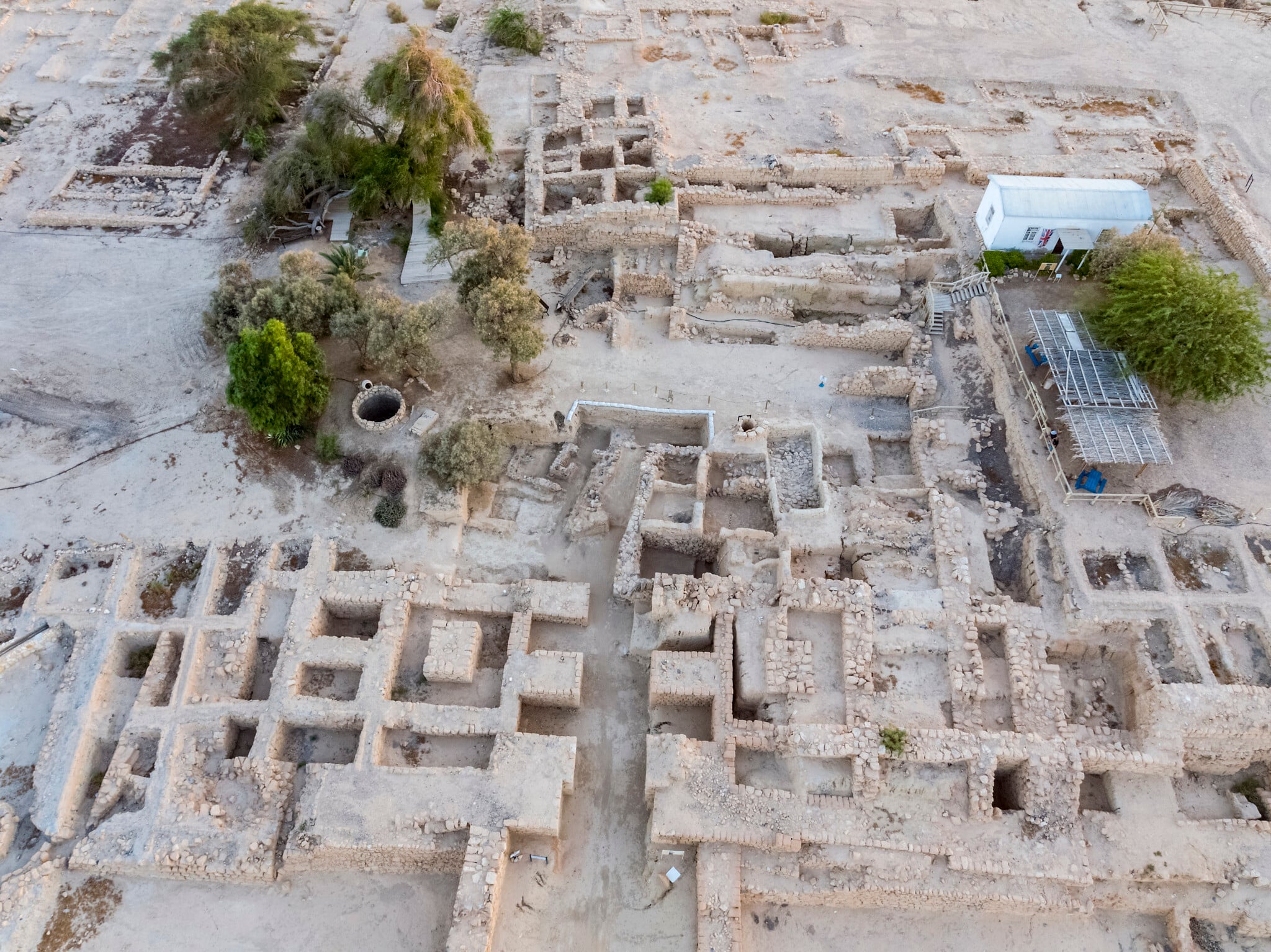
 New radiocarbon dating of ancient cereal grains discovered at the Ein Hatzeva fortress in southern Israel is reshaping understanding of who controlled key trade routes nearly 2,800 years ago. The findings indicate the fortress was built between 791 and 772 Before Common Era by the biblical Kingdom of Israel, rather than by the Assyrian empire as long believed.
The fortress, along with a similar structure at Tell el-Kheleifeh in present-day Jordan, stood on major routes linking the Levant with Arabia. Researchers say the scale and design of the square stronghold point to a powerful state seeking to oversee and protect the lucrative South Arabian trade. The new dating suggests that during the early eighth century Before Common Era, the Kingdom of Israel extended its influence deep into the Arava Valley, dominating caravan routes that merchants from Arabia were required to pass through.
The study supports the idea that under King Jeroboam the Second, Israel exerted hegemony over the region, potentially with Judah acting as a subordinate kingdom. While the fortresses were later used and modified under Assyrian rule, the new evidence indicates that Israel first established these strategic outposts, prompting scholars to reconsider the political and economic landscape of the biblical era.